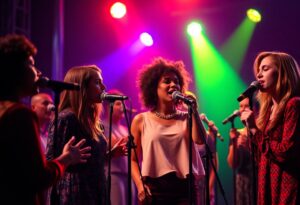
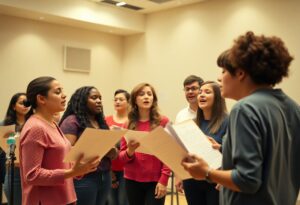
Many people underestimate the powerful impact that music has on your cultural identity. It serves as a medium of expression, allowing you to connect deeply with your heritage and community. Through various genres and rhythms, music carries the traditions, values, and experiences of your culture, fostering a sense of belonging. Additionally, it can be a tool for resilience, offering solace during challenging times and bringing individuals together in celebration. Understanding this role can enhance your appreciation of both music and the diverse cultures it represents.
Key Takeaways:
- Expression: Music serves as a powerful medium for individuals to express their cultural heritage and personal identity.
- Connection: It fosters a sense of belonging and community by connecting people through shared musical traditions and experiences.
- Preservation: Music plays a vital role in preserving cultural history and passing down traditions to future generations.
Historical Context of Music and Identity
A deep exploration of the historical context reveals how music has been a fundamental element in shaping cultural identity. Throughout the ages, sounds have represented societal values and traditions, helping you connect with a shared past. Historical events, migrations, and social movements have strongly influenced musical styles, leading to a rich tapestry of sounds that tell your community’s story. Understanding these historical roots allows you to appreciate the profound link between music and the evolution of identity across generations.
Traditional Music and Heritage
Identity is often rooted in traditional music, which serves as a powerful conduit for cultural heritage. Authentic sounds from your ancestors encapsulate stories, beliefs, and rituals that have defined your community for generations. These musical forms, passed down through time, nourish your sense of belonging and connect you to historical narratives. Engaging with traditional music fosters appreciation for your cultural lineage and reinforces your identity as part of a larger collective.
Evolution of Cultural Sounds
About the evolution of cultural sounds, you can observe how music continuously adapts, reflecting changes in society and technology. This dynamic evolution often intertwines global influences with local traditions, leading to hybrid genres that showcase diversity. You can appreciate the way contemporary artists blend traditional elements with modern styles, creating music that remains relevant. This transformation demonstrates your cultural identity’s resilience while highlighting your ongoing connection to history.
To understand the evolution of cultural sounds is to recognize that music is a living, breathing entity that responds to social changes. As people migrate, new influences intertwine with traditional melodies, giving rise to unique sounds that capture the essence of both past and present. Interestingly, this evolution has also led to the globalization of music, allowing you to experience different cultural perspectives while contributing your own. It’s important to embrace how these transformations can foster unity and diversity within your musical landscape, enriching your understanding of identity as it continues to unfold.
Music as a Medium of Expression
While music serves as a powerful form of expression, it allows you to articulate feelings, beliefs, and experiences that might be difficult to convey through words alone. Through melodies and rhythms, you can explore and share your cultural identity, connecting deeper with your roots while resonating with others who share similar journeys. Music becomes a canvas where emotions are painted vividly, fostering a sense of belonging and understanding among diverse communities.
Personal Narratives in Lyrics
To capture personal experiences in music, lyrics offer an intimate glimpse into your life story, struggles, and triumphs. Songwriters often weave their personal narratives into their work, inviting you to explore your own background and emotions. By hearing these relatable stories, you can find comfort, empathy, and solidarity in the shared human experience.
Performance and Cultural Representation
Behind every performance, you find a rich tapestry of cultural representation and identity, showcasing diverse traditions, values, and histories. Each artist brings their unique background to the stage, engaging audiences and celebrating the essence of their culture through song and dance.
In fact, performance acts as a dynamic platform where you can witness the vibrancy of cultural identity unfold. By honoring traditional costumes, dances, and rituals, performers convey historical narratives and values that enrich your understanding of their community. The act of performing fosters a shared identity, creating common ground for people from diverse backgrounds to connect and learn from one another. This cultural exchange not only reinforces your own identity but also promotes unity and respect among various groups, proving the power of music as both a personal and collective experience.
Music and Community Bonds
Your connection to community often finds its strength through music. Shared melodies and rhythms foster a sense of belonging, bringing people together and reinforcing bonds within various cultural groups. Music plays a vital role in collective experiences, transcending differences and nurturing the spirit of togetherness, allowing you to feel a deeper connection to those around you.
Collective Identity through Song
About the power of song: music unifies your collective identity by echoing shared dreams and values. Through lyrics and genres that resonate with your community’s history and struggles, you forge bonds with others, creating a shared narrative that celebrates your unique heritage while reflecting your common aspirations.
Festivals and Cultural Gatherings
Among the myriad ways music shapes community, festivals and cultural gatherings stand out as vibrant celebrations that unite you with fellow members. These occasions not only showcase traditional music but also impart profound cultural significance and foster connections between generations.
Hence, festivals and cultural gatherings serve as vital vehicles for cultural expression and community engagement. You embrace your heritage and share it with others as you participate in lively performances, dance, and rituals. These events create positive environments where intergenerational bonds strengthen, and cultural pride flourishes. Music within these celebrations amplifies communal ties, allowing you to forge lasting friendships and interactions that transcend cultural borders and promote understanding. By immersing yourself in these festivities, you actively contribute to preserving your culture and enriching your community’s social fabric.

Globalization and Musical Exchange
Not only has globalization reshaped economies and societies, but it has also profoundly impacted the way musical traditions interact and evolve. As cultures blend and intermingle, music becomes a powerful medium for expressing shared experiences, allowing artists from diverse backgrounds to collaborate and innovate. This exchange encourages the cross-pollination of genres, leading to the emergence of hybrid forms of music that reflect a more interconnected world.
Cross-Cultural Influences
Among the most fascinating aspects of globalization is how musical styles transcend borders, creating a rich tapestry of cross-cultural influences. As you explore various genres, you’ll discover elements that borrow from distinct traditions, resulting in new sounds that challenge conventional definitions of music. This artistic fusion not only showcases the creativity of musicians but also highlights the importance of cultural exchange in fostering understanding and unity among diverse communities.
Preservation of Authenticity
Influences from different cultures can often threaten the authenticity of traditional musical forms. As artists integrate elements from popular global trends, it becomes important to maintain a sense of identity that honors your culture’s roots. Musicians must navigate the delicate balance between innovation and authenticity to ensure that their unique sounds remain relevant and connected to their cultural heritage.
It is imperative that you understand the factors influencing the preservation of authenticity in music. As the world becomes more interconnected, the pressure to adopt global musical trends can lead to the dilution of traditional forms. However, many artists actively push back against this tide, seeking to highlight their cultural uniqueness while engaging with a broader audience. By doing so, they not only maintain the essence of their heritage but also challenge listeners to appreciate and support the rich tapestry of global musical traditions. This delicate dance of preserving authenticity while embracing change ultimately shapes the future of music and reinforces cultural identity.
The Psychology of Music and Identity
For many individuals, music serves as a reflection of your inner self and a medium through which you express your unique identity. The psychological connections fostered through music allow you to navigate complex emotional landscapes, further shaping your sense of belonging and individuality within various cultural contexts. This intricate interplay between music and identity is important in understanding how your preferences and experiences contribute to your overall self-concept.
Music’s Impact on Self-Perception
Beside influencing emotions, music significantly shapes your self-perception. The genres and artists you resonate with can dictate how you see yourself, embedding values and beliefs into your identity. As you engage with specific music styles, you often find affirmation or challenge in your personal narrative, thus molding the way you understand and express who you are.
The Role of Music in Social Groups
SelfPerception plays an important role in how you connect with other individuals, particularly through shared musical interests. Music creates a powerful bond among you and your peers, fostering a sense of community and collective identity. You may experience a positive reinforcement when you share playlists or attend concerts together, yet it can also feel exclusive, sometimes leaving others outside your group. Cultivating strong musical ties can enhance your social networks, providing a sense of belonging while influencing your social standing.
Plus, engaging with music as a group not only enhances your social experience but also reinforces the shared values and beliefs that define your identity within that group. The act of coming together to enjoy music can lead to the formation of tight-knit communities, creating bonds that transcend individual differences. Additionally, these communal experiences can forge a deeper emotional connection among you and your peers, establishing lasting friendships and a sense of togetherness that is vital for personal growth and identity exploration.
Case Studies of Music and Cultural Identity
Many researchers have explored the link between music and cultural identity through various case studies. These studies reveal significant findings:
- Hispanic communities: Participation in traditional music festivals increases cultural pride by 35%.
- Indigenous populations: Revival of traditional music leads to a 50% rise in community engagement.
- Hip-hop culture: Youth involvement in urban music genres correlates with a 40% increase in self-identity.
- Global diaspora: This musical connection helps maintain ethnic ties, as highlighted in The role of music in ethnic identity formation in diaspora: a ….
Indigenous Music and Revival
Studies show that indigenous music plays a significant role in the revival of cultural identity among Indigenous peoples. Engaging with traditional songs and rhythms fosters a sense of belonging and heritage, enhancing community cohesion, especially among younger generations. This revival often includes educational programs that focus on the importance of ancestral knowledge and the preservation of indigenous languages.
Urban Genres and Youth Identity
Urban music genres significantly shape youth identity in multicultural environments. Trends in hip-hop, reggae, and electronic dance music resonate with young people’s experiences, providing a voice for social issues. This musical expression helps you articulate your cultural background, enhancing your sense of belonging while navigating diverse identities.
For instance, studies indicate that participation in urban genres allows you to connect with others who share similar backgrounds, fostering community bonds. These genres often address social justice issues, encouraging you to engage with important cultural dialogues. The positive impact of music in expressing individuality and collective identity empowers youth to embrace their heritage while also challenging societal norms.
Summing up
Ultimately, you should recognize that music is a powerful expression of cultural identity that shapes who you are and how you connect with others. Through melodies and rhythms, you find a sense of belonging and community, while also celebrating the rich diversity of heritage and traditions. Your relationship with music not only reflects your individual experiences but also serves as a bridge to understanding different cultures. Embracing this connection can enhance your cultural appreciation and foster a deeper sense of identity in an increasingly globalized world.