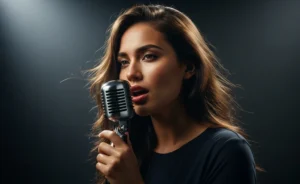
Benefits of recording yourself while singing go beyond just capturing your voice; it’s a powerful tool for enhancing your musical skills. By listening to your recordings, you gain insight into your vocal technique, pitch accuracy, and emotional expression.
This self-assessment can reveal areas for improvement and highlight your strengths. Furthermore, reviewing your performances allows you to track your progress over time, boosting your confidence as you witness your growth. Embracing this practice can significantly elevate your singing experience and help you reach your full potential as an artist.
Key Takeaways:
- Recording allows singers to self-assess their vocal technique and identify areas for improvement.
- Listening to recordings helps develop a more accurate ear for pitch, tone, and rhythm.
- The process of recording can build confidence as singers become more familiar with their unique sound.
- Documenting progress over time offers motivation and highlights growth in skills and performance.
- Sharing recordings with others can provide valuable feedback from peers or instructors, enhancing learning opportunities.
Uncovering the Vocal Benefits of Self-Recording
Immediate Self-Assessment
Recording your singing provides an opportunity for an immediate self-assessment. By listening back to your recordings, you can hear the nuances and details in your voice that may not be evident while you’re in the moment of performance.
This process allows you to critique your pitch, tone, and phrasing right after you’ve sung. Access to this immediate feedback enables you to make quick adjustments to your technique or style, fostering a more efficient learning experience.
Identifying Strengths and Weaknesses
Self-recording gives you the power to pinpoint your vocal strengths and weaknesses. As you listen, you will notice which aspects of your singing come across clearly and confidently, and which areas might need more attention.
This focused analysis allows you to create a tailored practice regimen to enhance your skills. By highlighting specific examples, such as a powerful belt or a weak falsetto, you can set goals that ensure continuous growth as a vocalist.
Diving deeper into identifying your strengths and weaknesses can significantly impact your vocal development. For instance, if you frequently hear a certain phrase resonating beautifully, you know to leverage that in future performances.
Conversely, if certain notes appear strained, noting this allows you to focus on breath support or vocal warm-ups before tackling those challenging parts. Over time, this awareness cultivates a nuanced understanding of your voice, leading to significant improvements as you refine your unique style.
The Psychological Edge: Boosting Confidence Through Playback
Listening to Progress: A Motivational Tool
Revisiting previous recordings can serve as a powerful motivator. By tracking your growth, you’ll notice improvements in pitch control, breath support, and emotional expression, which reinforces your dedication.
This can inspire continued practice, making the journey to becoming a better singer feel rewarding and encouraging. Celebrating these milestones can strongly boost your self-esteem and drive you to tackle new challenges.
Working Through Performance Anxiety
Performance anxiety is a common hurdle for many singers, but playback can help you face and conquer these fears. By understanding your vocal strengths and weaknesses through recordings, you gain insight into your unique sound, which can bolster your self-assurance when performing live.
You start building familiarity with how your voice sounds in different environments, thereby reducing the dread associated with sharing your music with others.
Working through performance anxiety using playback involves regular practice and exposure to your recorded voice. The more you listen to yourself, the more you’ll become accustomed to the sound of your own singing.
Consider creating a routine where you perform for an imaginary audience, aiming to simulate a live performance experience. With frequent playback and gradual exposure to performing, your confidence will steadily increase, enabling you to deliver polished, engaging performances without succumbing to anxiety.
Refining Technique: The Role of Feedback in Vocal Improvement
Recognizing Pitch and Tone Issues
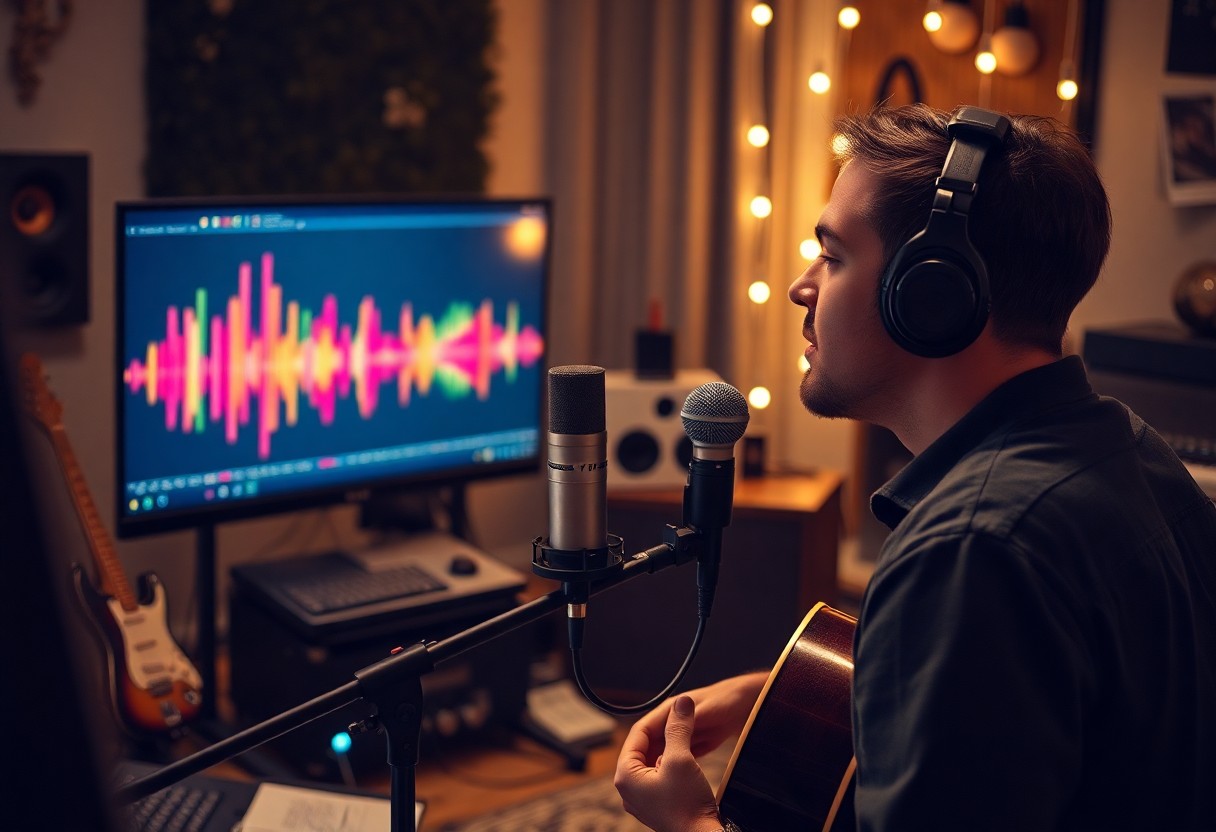
Listening back to your recordings allows you to pinpoint pitch inaccuracies and tonal inconsistencies. You may notice that certain notes sound flat or sharp, while your tone may lack warmth or clarity.
Identifying these issues is a vital step in your vocal growth, enabling you to address specific areas that need adjustment, leading to a more polished sound overall.
Understanding Breath Control and Dynamics
In evaluating your recordings, you can discern how effectively you’re managing breath control and vocal dynamics. This awareness can highlight moments where your breath support may falter or where your singing lacks the emotional impact that comes from dynamic variation.
Analyzing breath control in your recordings reveals patterns that could impede your performance. For example, if you notice breathless phrases interrupting your lines, you might consider adjusting your breathing technique for more consistent airflow.
Similarly, observing the dynamics in your recordings helps you to maintain proper volume and emotion throughout your song. By experimenting with softer and louder passages, you can discover what resonates best with your audience, adding depth and character to your singing.
The Technological Advantage: Leveraging Tools for Enhancement
Choosing the Right Recording Equipment
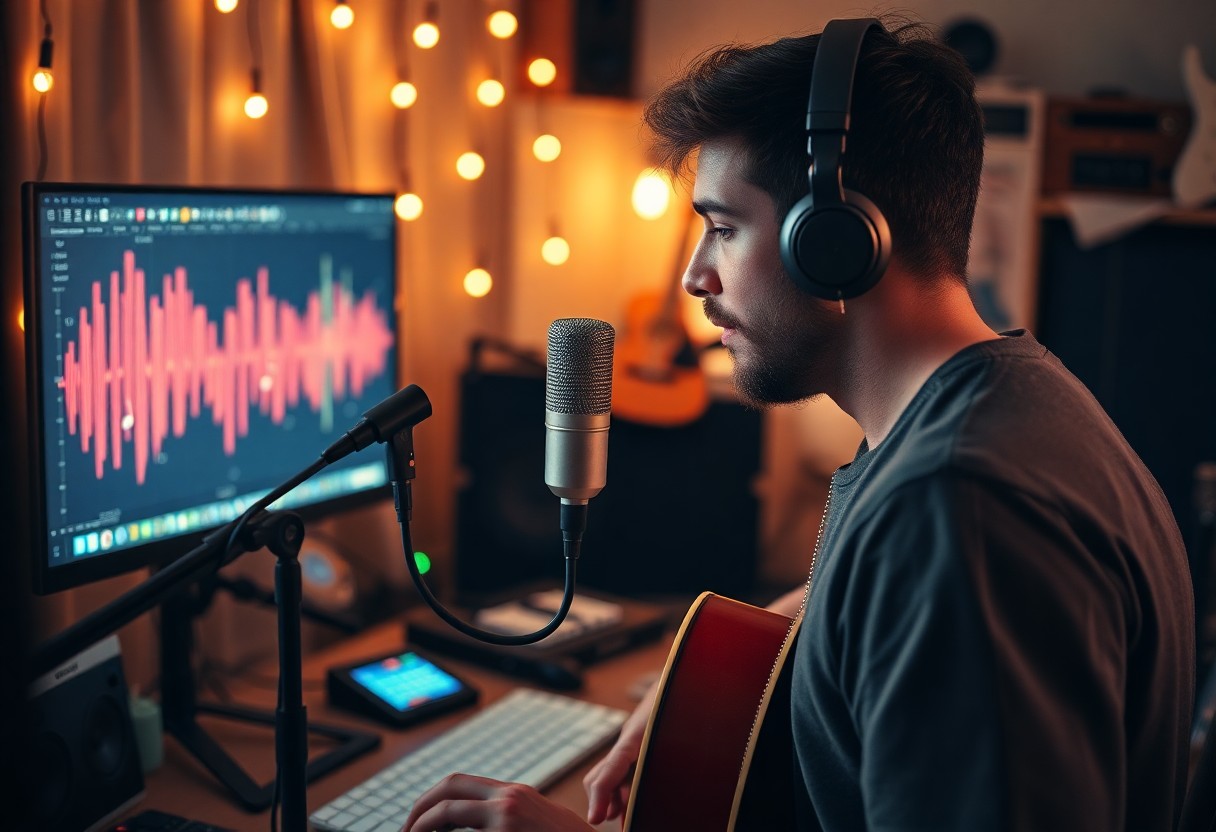
Selecting the appropriate recording equipment can significantly alter your vocal recording experience. Opt for a quality microphone that captures the nuances of your voice, like a condenser mic, which is ideal for vocals. USB microphones are convenient for beginners, providing easy connectivity with your computer.
Additionally, headphones with good isolation can help you monitor your performance without interference from background noise, ensuring you capture a clean sound during playback.
Utilizing Software for Vocal Analysis
Software specialized for vocal analysis can elevate your singing practice by providing detailed feedback on pitch, tone, and even rhythm. Programs such as Melodyne or Antares Auto-Tune allow you to visualize your vocal performance, making it easier to identify areas for improvement.
Through visual waveforms and pitch tracking, you gain insights into your vocal range and precision, which can be pivotal for targeted practice.
Many vocal analysis software applications come equipped with features like pitch correction and harmonization, allowing you to experiment with your vocal arrangements.
For instance, you can input your original recording and modify specific notes where you feel you may be slightly off-pitch, honing your ear in the process.
With built-in tutorials and feedback mechanisms, these tools serve not only as a recording aid but also as a powerful learning platform, pushing you to refine your singing skills more effectively than trial and error alone ever could.
The Art of Song Interpretation: Exploring Emotional Connectivity
Capturing the Intended Emotion in Performance
Recording yourself while singing allows you to revisit your performance and assess how well you conveyed the song’s emotional content.
You might find that certain phrases resonate differently when heard back, revealing areas where your emotional delivery could be enhanced. Engaging with this process can foster a deeper connection to the lyrics and the overall narrative of the song.
Understanding Nuances Through Repetition
Listening to your recordings repeatedly leads to a more comprehensive understanding of the subtleties in your vocal delivery. You can identify inflections, dynamics, and phrasing that might have slipped your mind in the moment.
Each playback serves as an opportunity to refine your interpretation, allowing you to explore various vocal styles and emotional depths.
Diving into a single recording multiple times can uncover patterns and choices you might not notice in a live performance. This repetitious listening experience provides a unique lens through which to evaluate your emotions and intentions, revealing how well you align with the song’s message.
Your initial thoughts may shift as you discover new layers to the piece, leading to a more profound and engaging performance. This iterative process often leads to heightened confidence and emotional clarity when you ultimately perform the song live.
For additional insights on the benefits of recording yourself, check out the 5 Benefits of Self-Recording.
Building a Personal Brand: Using Recordings for Marketing
Crafting a Demo Reel for Opportunities
Creating a demo reel is necessary for showcasing your vocal talents to potential collaborators and industry professionals. This curated collection allows you to highlight your versatility and vocal range, presenting a polished image that attracts attention.
Aim for a duration of 1-3 minutes, featuring your best work from various styles and genres. Including a mix of live performance clips and studio recordings can further illustrate your capabilities, ensuring you stand out in a competitive landscape.
Engaging with Your Audience through Social Media
Utilizing your recordings on social media deepens connections with your audience, making them feel more invested in your musical journey.
Platforms like Instagram and TikTok offer unique opportunities to showcase snippets of your performances, granting access to a wider audience and potential fans.
Regularly sharing behind-the-scenes content and engaging in conversations with followers can create a loyal community eager to support your work and share it within their networks.
Incorporating performance recordings into social media not only boosts visibility but also fosters interaction. You can host Q&A sessions or encourage followers to send in their song requests, providing a sense of inclusiveness.
Live-streaming your practice sessions or mini-concerts connects you with immediate feedback, allowing your audience not only to witness your growth but also to become active participants in your musical evolution.
This engagement nurtures relationships that can lead to opportunities, collaborations, and ultimately, a stronger personal brand.
The Collaborative Spirit: Sharing and Learning with Others
Gaining Insights from Peer Feedback
Receiving feedback from fellow singers can illuminate aspects of your performance you may have overlooked. When you share your recordings within a supportive circle, others can offer constructive critiques, helping you to identify issues with pitch, timing, or emotional delivery.
Engaging in this exchange promotes a deeper understanding of your strengths and weaknesses, ultimately refining your skills. You may even discover new perspectives that can inspire your artistic choices moving forward.
Participating in Online Singing Communities
Diving into online singing communities provides a wealth of opportunities for collaboration and growth. Platforms like YouTube, Reddit, and dedicated singing forums allow you to share your recordings, seek feedback, and explore various genres and techniques.
Participation in these communities often leads to friendships with like-minded individuals, fostering an environment where you can learn from each other’s experiences, successes, and challenges.
These online spaces are thriving with singers at various skill levels, welcoming everyone from beginners to seasoned professionals. You can join challenges, participate in virtual jam sessions, or simply connect with others to exchange vocal tips.
Many communities also offer resources such as tutorials, vocal challenges, and contests, keeping your motivation high and providing invaluable learning experiences. Engaging regularly within these platforms can enhance your vocal journey and expand your repertoire while forming lasting connections with fellow artists.
Summing up
So, recording yourself while singing offers valuable insights into your vocal performance, allowing you to identify areas for improvement and track your progress over time. This practice enhances your self-awareness, helping you refine your technique and develop greater confidence.
Additionally, analyzing your recordings can guide your practice sessions, making them more effective and focused. Ultimately, by investing time in this feedback process, you empower yourself to become a better singer and achieve your musical goals.
FAQ
Q: What are the primary benefits of recording myself while singing?
A: Recording yourself while singing allows you to assess your vocal performance, identify areas for improvement, and track your progress over time.
It provides an opportunity to hear how you sound from an outside perspective, which can reveal nuances in pitch, tone, and diction that you might miss while performing live.
Q: How can recording improve my vocal technique?
A: By reviewing recordings of your singing, you can pinpoint specific technical issues, such as breath control or pitch inaccuracies. This awareness can guide your practice sessions, enabling you to focus on particular aspects of your vocal technique that need enhancement.
Q: Is it beneficial to record my singing during practice sessions?
A: Absolutely! Recording during practice sessions helps capture your unfiltered performance. It allows you to experiment with different styles and techniques, which you can later review to see what works best for you. This iterative process supports long-term improvement.
Q: Can recording myself singing help with stage presence?
A: Yes, recording can significantly enhance your stage presence. By watching yourself perform, you can evaluate your body language and facial expressions. This self-reflection promotes awareness of how you appear to an audience, which can help you develop a more engaging stage presence.
Q: Does recording myself help build confidence as a singer?
A: Yes, it can! Regularly recording and listening to your voice helps familiarize you with your sound. As you grow more comfortable with your voice and notice improvements, your confidence will likely increase, making you more assured during performances.
Q: What equipment do I need to start recording myself singing?
A: You don’t need expensive equipment to start! A smartphone or a basic microphone connected to your computer will suffice.
Simple recording software or apps can be used to capture your singing clearly. Over time, as you become more invested, you may opt for higher-quality gear.
Q: How often should I record myself singing to see improvements?
A: It’s beneficial to record yourself regularly, ideally after each practice session or at least once a week. Consistency is key, as this allows you to monitor your progress, set specific goals, and make adjustments based on what you learn from your recordings.