Crafting the Perfect Soundtrack for Every Mood
Identifying Your Mood
Start by pinpointing the mood you want to evoke. Whether it’s energizing a workout, creating a relaxed atmosphere for studying, or setting the tone for a romantic dinner, the right songs can elevate the experience.
For instance, upbeat pop tracks can boost motivation, while soft acoustic melodies may promote focus and tranquility. List specific feelings or themes you want to capture, and use those as a guide in your selection process.
Selecting Complementary Genres
Explore a range of genres to find the perfect fit. Mixing genres, like indie with jazz for a cozy evening, can provide depth. For high-energy moments, consider electronic or dance tracks.
You might aim for a cohesive sound by sticking to a particular era, such as the 80s for nostalgic vibes, or blend contemporary hits with classics to cater to varied tastes. This layering enhances the overall listening experience.
Building Progression and Flow
A well-crafted playlist should have a natural progression. Start with an engaging intro track, then transition smoothly to mid-tempo tunes before hitting the highs.
Finally, taper down to soothing melodies to conclude. This flow keeps listeners engaged and creates emotional peaks and valleys, making your playlist not just a collection of songs, but an actual journey through sound.
The Psychological Impact of Music Choices
Your music selection can profoundly affect your mood, cognition, and overall well-being. Research shows that certain playlists can enhance productivity, alleviate stress, and even boost creativity.
Understanding the psychological underpinnings of your music choices can help you curate playlists tailored to evoke specific feelings or responses, making your listening experience more intentional and impactful.
How Different Genres Influence Emotions
Tools and Techniques for Playlist Creation
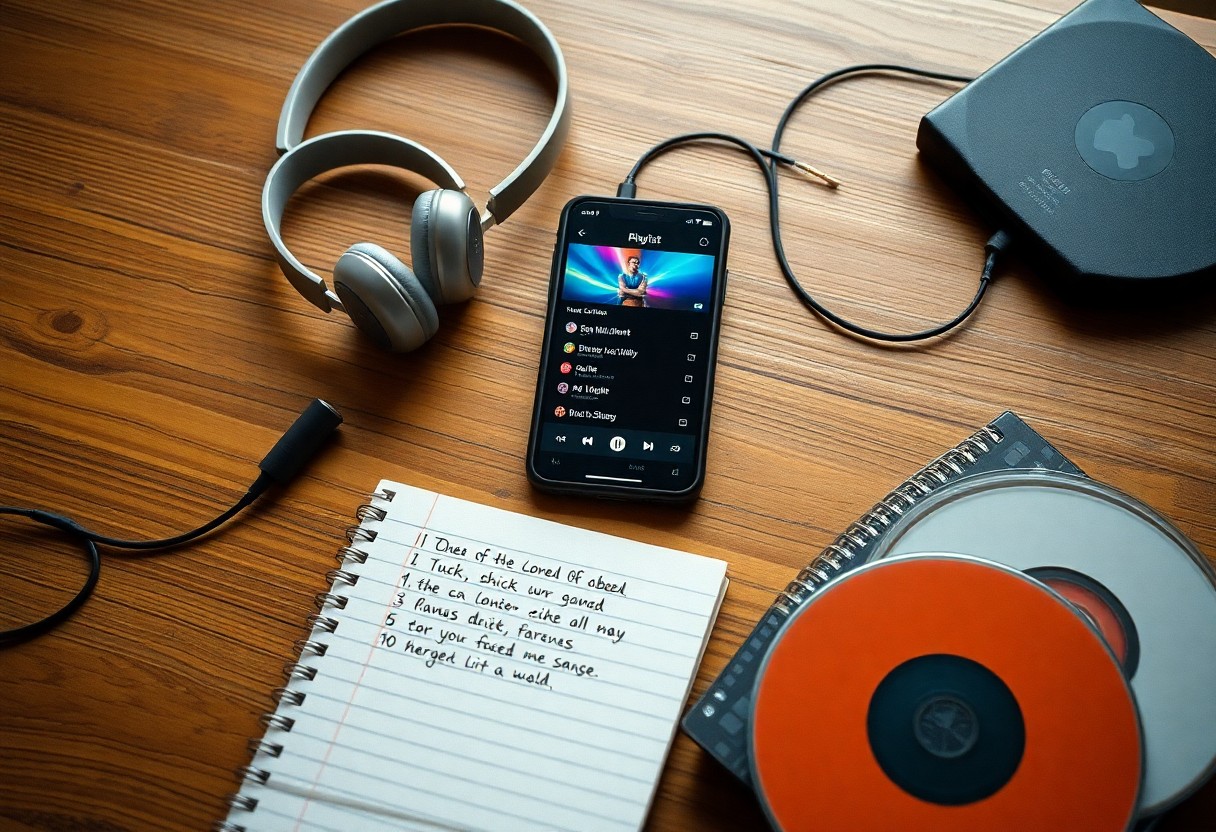
Utilizing the right tools and techniques can significantly enhance your playlist creation process. From music streaming platforms to collaborative apps, leveraging these resources allows you to organize tracks efficiently, discover new music, and even share your playlists seamlessly with friends or followers.
With just a few clicks, you can access an extensive library of songs tailored to fit any occasion and mood.
Utilizing Music Platforms and Algorithms
Popular music platforms, such as Spotify, Apple Music, and YouTube, employ sophisticated algorithms that analyze your listening habits and preferences, suggesting tracks that align with your tastes.
Creating a playlist on these platforms allows you to explore curated playlists tailored to specific genres or moods, streamlining your search for the perfect songs.
Additionally, you can utilize features like ‘Discover Weekly’ or ‘Daily Mix’ to unearth fresh tracks that complement your existing favorites.
Incorporating User Feedback and Collaboration
Collaborating with others enhances playlist creation by integrating varied musical tastes and preferences. Invite friends to contribute to a shared playlist, allowing for a richer collection of tracks that reflect diverse viewpoints.
You can gather feedback on song choices or ask peers to vote on their favorites, ensuring the final playlist is well-rounded and engaging for everyone involved.
Engaging others in your playlist creation fosters a sense of community and can elevate your playlists to new heights. Collaboration tools in platforms like Spotify let multiple users add songs in real-time, facilitating spontaneous curation sessions.
By obtaining feedback through polls or discussions, you can fine-tune the tracklist, ensuring that the final selection resonates with a larger audience. This collaborative approach not only reveals songs you might have overlooked but also transforms playlist creation into a shared experience, enhancing its overall impact.
The Art of Playlist Refinement
Refining your playlist is where the real artistry comes into play. You’ve gathered your initial selections, but tweaking those choices can transform a good playlist into an exceptional one. Pay attention to your audience and the mood you’re aiming to evoke while considering song lengths and genres for cohesion.
For further tips on playlist creation, check out How do I make a good playlist? : r/spotify.
Reviewing and Refreshing Your Selections
Take the time to evaluate your initial track choices regularly. Remove songs that no longer resonate or feel out of place, and consider adding fresh tunes that align with the theme or mood of your playlist.
This keeps your collection dynamic and engaging, ensuring that it evolves with your tastes and experiences.
The Importance of Flow and Transitions
A seamless transition from one track to another elevates your listening experience, creating a journey rather than just a sequence of songs.
Carefully consider key, tempo, and energy levels to maintain the desired mood. Songs that complement each other not only blend harmoniously but also enhance emotional impact, making listeners more engaged from start to finish.
Flow and transitions are necessary for retaining listener interest and establishing an emotional arc throughout your playlist. For instance, starting with an upbeat song can set an energetic tone, then gradually introduce softer tracks as the mood shifts.
This thoughtful progression encourages listeners to stay engaged, allowing them to connect with the journey you’ve crafted.
Mixing songs of varying styles—such as alternating between a high-energy pop anthem and a reflective acoustic ballad—can also provide a refreshing contrast, maintaining a captivating rhythm that prevents monotony.

Final Touches: Personalizing Your Playlist
Personalizing your playlist elevates its impact, making it uniquely yours. Consider adding personal anecdotes or themes that resonate with your experiences. Think about the mood you want to evoke and tailor your choices accordingly, ensuring each track aligns with the overall vibe.
Small adjustments, like arranging songs to create a flow or selecting iconic tracks that spark nostalgia, can enhance the listener’s connection.
Adding Custom Visuals and Descriptions
Enhance your playlist by including custom visuals and compelling descriptions. Use album artwork, personal photos, or graphics that reflect the playlist’s mood or theme.
A well-crafted description adds context, inviting listeners to engage with your selections on a deeper level. This additional layer creates a more immersive experience, making your playlist not just a collection of songs but a curated journey.
Sharing and Curating for Your Audience
Understanding your audience is key to sharing and curating effectively. Tailor your playlist to meet their preferences, whether it’s for a party, workout, or relaxation.
Use social media platforms to share your playlists, providing a brief introduction that highlights its appeal. Engaging with your audience fosters community, encouraging them to share their thoughts or suggest tracks, creating an evolving and collaborative playlist.
Sharing and curating for your audience means more than just sending them a link; it involves creating a dialogue. Invite feedback by asking listeners what tracks they enjoyed or what themes they’d like to see next.
This interaction can help refine your future playlists, ensuring they resonate with your listeners. Consider hosting listening parties or online sessions where you can discuss song selections and the stories behind each choice, enriching the experience.
The more you involve your audience, the more invested they will feel in your musical journey.
Final Words
Upon reflecting, creating an effective playlist for any occasion involves understanding the mood you want to evoke and choosing songs that resonate with that feeling.
Start by defining the theme, curate a mix of familiar favorites and new discoveries, and pay attention to the song transitions to maintain energy.
You should also consider the length of your playlist to keep your audience engaged throughout the event. By following these guidelines, you can craft a playlist that enhances your occasion and leaves a lasting impression on your listeners.
FAQ
Q: What steps should I follow to create an effective playlist for a party?
A: Start by determining the mood and theme of the party. Select high-energy tracks that encourage dancing and socializing. Include a mix of popular hits and personal favorites to cater to diverse tastes.
Organize the songs to create a smooth flow, starting with upbeat tracks and gradually introducing slower songs as the event progresses. Make sure to consider the duration of the playlist to match the length of the party.
Q: How can I tailor a playlist for a workout session?
A: Focus on selecting songs with a fast tempo that can motivate and energize you during exercise. Look for tracks with strong beats to keep your rhythm.
Group songs by intensity, starting with warm-up tunes, moving into intense tracks for the main workout, and winding down with cool-down songs.
Updating the playlist regularly with new music can help maintain motivation.
Q: What factors should I consider when creating a playlist for a romantic dinner?
A: Choose soft, melodic songs that create a soothing atmosphere. Consider including classics or acoustic versions of popular songs to evoke emotions.
Aim for a balance between familiar favorites and new discoveries to enhance the experience. Keep the playlist length in line with the duration of the dinner, allowing for smooth transitions between tracks to maintain the ambiance.