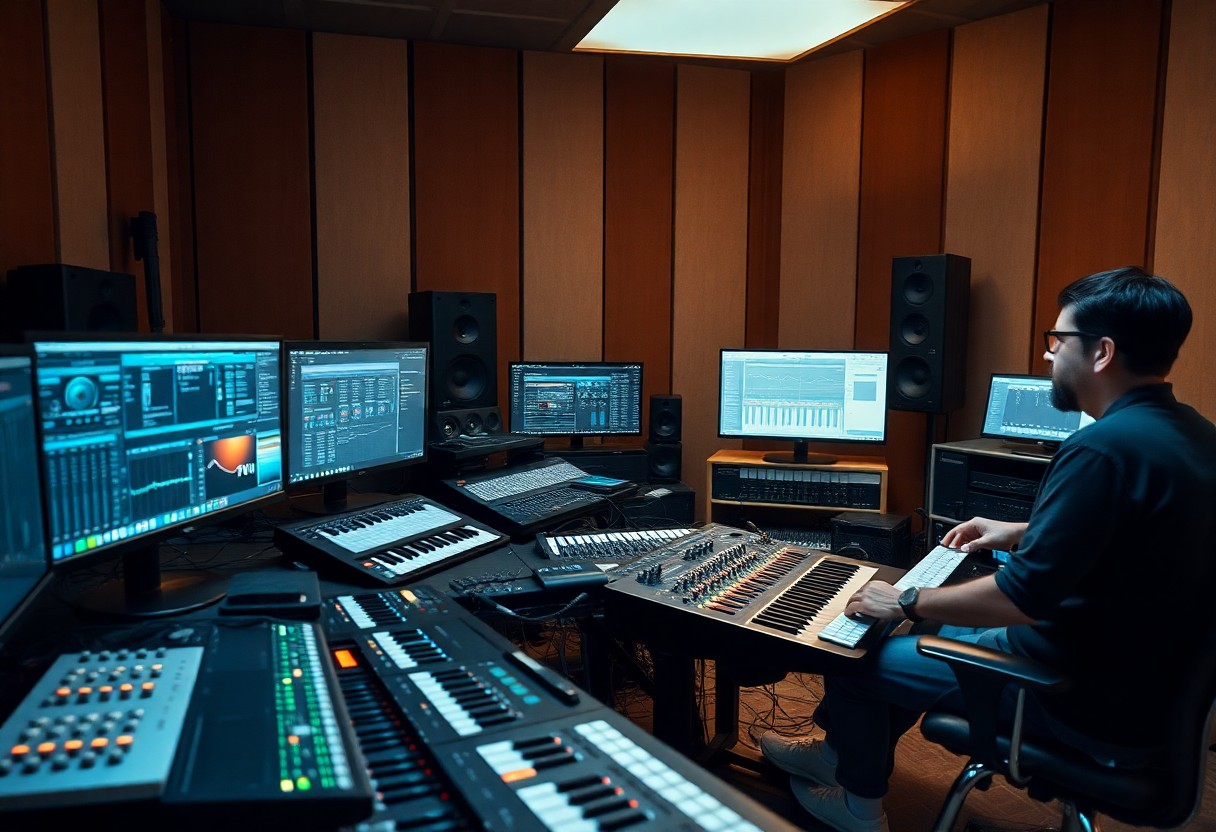
Creation in music has evolved dramatically with the advent of technology, enabling you to explore new genres and innovative sounds. The tools of today offer both opportunities for creativity and potential pitfalls, as you navigate the balance between artistic expression and the overwhelming nature of digital production. Understanding how technology shapes your music can empower you to utilize it effectively while staying true to your artistic vision. Let’s research into the myriad ways technology influences the music-making process and the impact it has on artists today.
Key Takeaways:
- Accessibility: Technology has democratized music creation, allowing anyone with a computer or smartphone to produce high-quality tracks from anywhere.
- Collaboration: Digital platforms enable musicians from around the world to collaborate in real-time, breaking geographical barriers and fostering diverse sounds.
- Innovation: Advancements in software and hardware inspire new genres and techniques, pushing the boundaries of traditional music-making and encouraging experimentation.
Historical Context
For centuries, the creation of music has been directly influenced by the technologies available at the time. From the use of simple instruments in ancient cultures to the sophisticated digital programs of today, the evolution of music technology reflects changes in society, culture, and artistic expression. As you explore this journey, you’ll discover how each advancement paved the way for new genres and styles, enriching the musical landscape we know today.
Evolution of Music Technology
One significant development in music technology occurred with the invention of sound recording. Pioneers like Thomas Edison and Emile Berliner changed the way music was produced and consumed, allowing you to listen to your favorite artists anytime and anywhere. Over the years, innovations such as electric instruments, synthesizers, and digital audio workstations have further transformed the creative process.
Key Innovations and Their Impact
Behind every great musical revolution lies a series of innovations that changed the way you experience and create music. These advancements have not only altered the sound itself but have also expanded the possibilities for collaboration and distribution.
For instance, the introduction of the electric guitar revolutionized popular music, giving rise to genres like rock and roll. Similarly, the advent of digital audio workstations has democratized music production, allowing you to produce high-quality tracks from your own home studio. However, in this fast-evolving landscape, you should also be wary of the potential for overproduction and the loss of authenticity in music. Balancing technology’s benefits with the artistic integrity of your creations is necessary as you navigate the modern music scene.
Digital Tools and Software
While traditional music creation relied heavily on physical instruments and analog equipment, the advent of digital tools and software has transformed the way you approach music composition. These resources give you unprecedented flexibility and creativity, allowing for seamless experimentation and collaboration. From virtual instruments to powerful synthesisers, technology has democratized access to high-quality sound production, enabling you to create professional-sounding music from the comfort of your own workspace.
Key Music Production Software
One of the most significant advancements in music creation is the availability of robust music production software. Programs like Logic Pro, Ableton Live, and FL Studio offer you a diverse range of features that facilitate everything from recording to mixing and mastering. These platforms frequently update their tools and libraries, ensuring that your music can stay fresh and innovative.
Role of Digital Audio Workstations (DAWs)
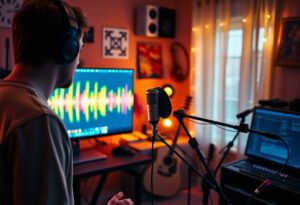
Against the backdrop of contemporary music creation, Digital Audio Workstations (DAWs) serve as the backbone for your creative process. They provide a comprehensive environment where you can orchestrate your ideas, arrange tracks, and manipulate sounds all in one place. DAWs empower you to explore various genres and styles while also enabling you to collaborate with other musicians remotely, enhancing the organic flow of creativity.
The importance of Digital Audio Workstations cannot be overstated. They not only simplify the music production process but also offer a vast array of tools that amplify your creativity. With features such as audio and MIDI recording, multi-track editing, and plug-in support, a DAW ensures you have everything you need to produce your music. The ability to work efficiently and incorporate various effects adds a layer of professionalism to your sound, making it easier to share your music with the world. However, it’s important to stay informed about the potential pitfalls like over-reliance on technology, which can sometimes lead to a loss of creativity.
The Role of Artificial Intelligence
Now, the landscape of music creation is undergoing a transformative shift thanks to the integration of artificial intelligence (AI). This technology has not only enhanced the creative process but has also expanded the possibilities for both established and aspiring musicians. By utilizing AI tools, you can streamline your workflow, generate innovative ideas, and discover new musical pathways that were once unimaginable.
AI in Music Composition
Across the music industry, AI is revolutionizing how compositions are created. Algorithms can now analyze vast amounts of data to generate melodies, harmonies, and even entire songs based on your preferred genres and styles. This allows you to experiment and refine your ideas effortlessly, leading to a more fluid creative process.
AI in Music Production and Mixing
After the composition phase, AI continues to play a vital role in music production and mixing. By using smart tools, you can achieve high-quality sound, enabling you to elevate your tracks to a professional level without requiring extensive technical knowledge.
For instance, AI-driven mixing software can analyze your tracks and suggest adjustments to optimize the overall sound. These tools can automate processes, making it easier for you to achieve a polished final product while saving time. However, it’s important to approach these innovations with caution, as relying too heavily on AI can lead to a potential loss of your unique artistic voice. On the positive side, AI can help you uncover new creative avenues and enhance your production skills, providing invaluable support as you navigate the ever-evolving musical landscape.
Collaborative Creation in the Digital Age
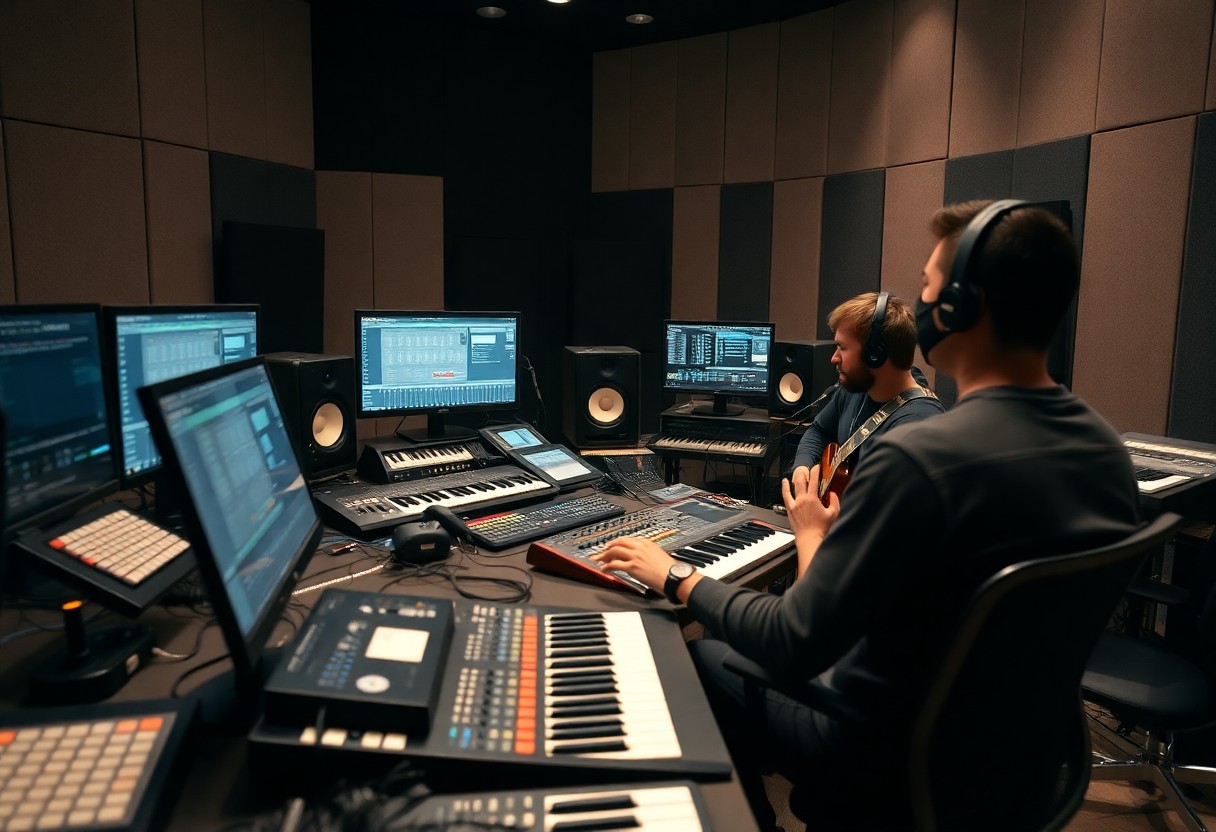
Not only has technology redefined how you create music, but it has also transformed collaboration. The digital age allows you to connect with fellow musicians and producers worldwide, sharing ideas and techniques that enrich your creative process. With a wealth of platforms and applications at your disposal, collaborating has never been easier or more dynamic, fostering innovation and diversity in music production.
Online Collaboration Tools
Along with the ability to connect with musicians globally, online collaboration tools have revolutionized the way you create music. Programs like Soundtrap, BandLab, and Splice enable you to work in real-time, share tracks, and provide feedback instantly. These platforms facilitate seamless communication, ensuring that distance is no longer a barrier in your creative endeavors.
Global Access to Talents
Talents from every corner of the globe are now just a click away. The internet allows you to discover unique voices and perspectives that can elevate your music. With platforms like Fiverr and Upwork, you can collaborate with skilled musicians, producers, and sound engineers without geographical limits, enriching your projects with diverse influences.
Considering the vast range of global access to talents, you are now in a position to collaborate with diverse musicians who can bring fresh ideas to your work. This access opens the door to exploring unique genres and styles that you may not have encountered locally. However, navigating this landscape requires caution, as it’s important to establish trust and agree on terms to protect your creative vision. Embrace these opportunities to enhance your music creation while ensuring you maintain control and clarity in your collaborations.
Impact on Music Genres
All around the world, technology has reshaped the landscape of music genres. Advancements in digital audio workstations, synthesizers, and online distribution platforms have allowed artists to experiment freely, pushing the boundaries of traditional genres. As a result, you may notice that music today is a melting pot of influences, birthing new sounds and styles that reflect contemporary culture and technological innovation.
Genre Evolution through Technology
An crucial aspect of music creation is the evolution of genres, driven by technological innovations. You will find that tools such as MIDI, sampling, and auto-tune have transformed how artists craft their music, creating subgenres that challenge conventional classifications. This constant evolution keeps music dynamic and relevant, allowing you to explore a diverse range of sounds and styles.
Emerging Genres influenced by Tech
Below the surface, you will discover a plethora of emerging genres that have arisen from technological advancements in music production. From synthwave to lo-fi hip hop, each genre encapsulates the distinctive characteristics and innovations of the digital age, allowing you to probe a rich tapestry of auditory experiences.
Plus, understanding the impact of technology on emerging genres reveals how modern musicians harness tools for creative expression. For instance, genres like trap and future bass utilize digital production techniques to develop their unique sonic identities, making them accessible to a global audience. These genres not only provide you with fresh beats and sounds but also showcase the positive influence of technology on the art of making music. Ultimately, exploring these emerging genres enhances your appreciation for the artistry that evolves alongside technological advancements.
Challenges and Considerations
To navigate the evolving landscape of music creation influenced by technology, you must consider numerous challenges and ethical dilemmas. The balance between embracing innovative tools and maintaining artistic integrity is delicate. Issues surrounding The Influence of Technology in the Music Industry: Trends … often raise questions about creativity versus automation, ownership, and how technology shapes the music industry. It’s important to assess these factors to create music that is both personal and relevant.
The Human Element in Music
Human creativity and emotional expression are at the heart of music. While technology offers astonishing tools, it is your unique experiences and feelings that ultimately resonate with listeners. Maintaining that human connection is imperative, ensuring musical authenticity amidst an influx of automated composition and production resources.
Issues of Authenticity and Ownership
To fully grasp the landscape of modern music, consider the complex issues surrounding authenticity and ownership. As technology advances, the lines between original work and derivative creations blur, making it challenging to establish rightful ownership.
Plus, the rise of AI-generated compositions complicates copyright laws, risking instances where artists may unknowingly use non-original material. As you explore music creation, be aware that protecting your work and understanding digital rights are vital in this tech-driven environment. This understanding ensures your creativity is respected while fostering innovation in the music industry.
Conclusion
Hence, you can see that technology has fundamentally transformed music creation, opening up a world of possibilities for artists like yourself. With the advancement of digital tools and software, you have greater access to resources and techniques that enhance your creative process. By embracing these innovations, you can experiment, collaborate, and distribute your music more efficiently, ensuring your artistic voice resonates in today’s ever-evolving landscape.