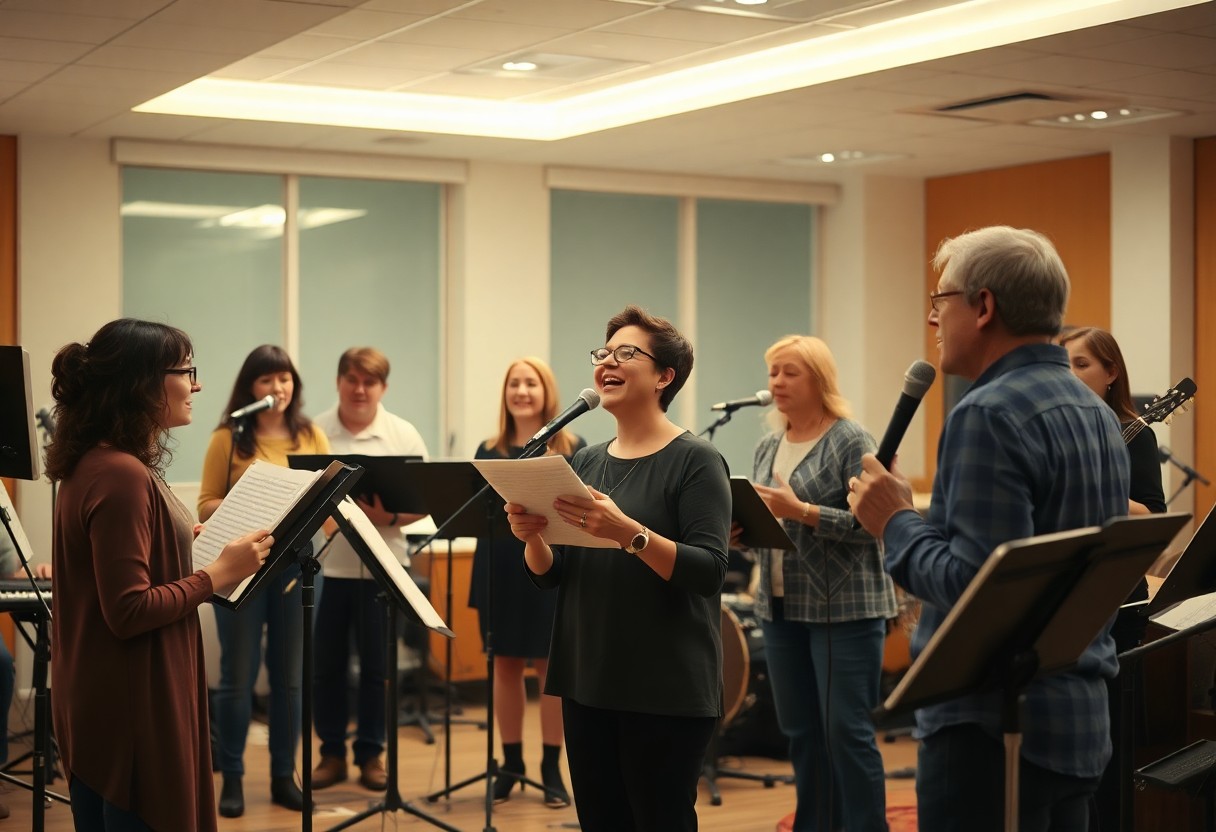
You may not realize how imperative it is to incorporate genre-specific techniques into your singing lessons. Different musical genres demand unique vocal styles, phrasing, and emotional delivery that can significantly impact your performance and connection with the audience.
By focusing on the nuances of the genre you wish to pursue, you can improve your vocal agility, expand your repertoire, and enhance your overall artistry. Tailoring your lessons to your chosen style not only boosts your confidence but also prepares you for diverse musical challenges that lie ahead.
Understanding Genre-Specific Techniques
Your ability to tailor your singing lessons to specific genres can significantly enhance your vocal development. Each musical genre has distinct characteristics, including stylistic nuances and emotional interpretations, which influence the way you should approach singing.
By understanding these genre-specific techniques, you can build a more versatile skill set, allowing you to express yourself more effectively across different styles of music.
Definition of Genres in Music
On a fundamental level, genres in music refer to distinct categories that share common elements such as rhythm, instrumentation, and lyrical themes. Examples include pop, jazz, classical, rock, and country. Each genre embodies a unique sound, aesthetic, and cultural context, which shapes how you approach vocal performance.
Importance of Genre in Vocal Techniques
Above all, incorporating genre considerations into your vocal training promotes better adaptation of your technique. Understanding the specific demands of each style enables you to connect with the music, fine-tune your vocal delivery, and enhance your overall performance. This focused approach is imperative for achieving authenticity in your singing.
But it’s not just about style; different genres can require vastly different vocal techniques. For instance, singing jazz may demand more complex rhythms and improvisation, while rock might emphasize a powerful, gritty sound.
Properly engaging with genre requirements helps you avoid vocal strain and ensures you develop a healthy technique that is sustainable in the long run. The positive outcome is not only improved vocal skills but also a deeper artistic expression that resonates with your audience.

Benefits of Tailoring Lessons to Genre
Assuming you tailor your singing lessons to specific genres, you’ll notice multiple advantages. Personalized training not only aligns your vocal development with your musical interests but also engages you more deeply in the learning process. This relevance can lead to increased motivation and a more profound understanding of the intricacies of your chosen style, making each lesson feel more meaningful and enjoyable.
Enhancing Vocal Style and Expression
Expression is vital in singing, as it conveys emotion and connects you with your audience. By focusing on genre-specific techniques, you develop a unique style that reflects the essence of the music you love. This not only enhances your performance but also fosters a deeper emotional connection, making every note you sing more impactful.
Building Technical Skills Specific to Genre
Tailoring your lessons to specific genres allows you to focus on developing techniques that are most effective for your musical style. Each genre has unique demands, and mastering these will improve your overall vocal performance.
Consequently, paying attention to genre-specific technical skills helps you address the distinct vocal ranges, style nuances, and phrasing vital for authenticity. For instance, learning breath control for opera differs greatly from the rhythmic precision required in pop.
By honing these specific skills, you not only enhance your vocal prowess but also build confidence that shines through in your performances. This focused approach can lead to quicker mastery and a stronger personal brand as an artist.
Developing a Curriculum Based on Genre
Some singing lessons are more effective when tailored to a specific genre, as each style has unique vocal techniques and stylistic nuances. By developing a curriculum focused on your chosen genre, you can ensure that you are honing the skills necessary to excel in that particular style, whether it be pop, classical, or jazz.
This approach can improve your confidence, performance quality, and overall satisfaction as you progress in your singing journey.
Assessing Student Goals and Preferences
Based on your individual goals and preferences, it’s important to assess what you want to achieve in your singing lessons. This may include improving vocal range, mastering specific songs, or developing a particular emotional expression unique to your genre.
Understanding your aspirations not only helps in setting realistic targets but also aligns your lessons with your personal interests, making the learning experience more enjoyable and worthwhile.
Creating a Structured Approach to Learning
Against the backdrop of a vibrant musical landscape, a structured approach to learning becomes important for your progress. It allows you to focus on various aspects of your chosen genre, such as technique, style, and performance.
Without structure, you may feel overwhelmed by the vastness of musical elements to explore. Strong organization can help you systematically address each component, making your practice sessions more effective and less stressful.
Even a well-structured learning approach enables you to break down complex skills into manageable sections. By focusing on specific techniques relevant to your genre, you can demonstrate progress without feeling lost.
Additionally, incorporating regular assessments within this framework gives you valuable feedback on your growth. When you align your curriculum with your unique vocal capabilities, you can build the confidence needed to tackle challenging pieces, thus transforming your musical aspirations into reality.
Common Genre-Specific Techniques
For singers, understanding genre-specific techniques can significantly enhance your vocal capabilities. Different genres demand unique vocal styles, breath control, and emotional expression. Tailoring your singing lessons to your chosen genre allows you to develop skills that are not only effective but also relevant to the music you want to perform.
If you’re looking for personalized guidance, consider A Vocal Coach For You to refine your approach and technique.
Techniques for Pop Singing
With pop singing, the focus is often on strong vocal projection and consistent pitch. This genre encourages the use of modern techniques like belt singing and breathy tones to convey emotion and connect with listeners. Developing a solid mixed voice can help you achieve the necessary vocal agility to deliver catchy melodies.
Techniques for Classical Singing
On the other hand, classical singing emphasizes proper breath support and vocal clarity. This style requires you to utilize a fuller chest voice and a well-formed head voice, allowing for greater dynamic range and control. Understanding the importance of pronunciation and diction is important, as the clarity of the words can greatly affect your overall performance.
Also, exploring classical singing techniques necessitates awareness of healthy vocal practices to prevent strain or damage to your voice. Techniques like diaphragmatic breathing and vocal warm-ups are important to prepare your instrument for powerful high notes and intricate passages.
It can be quite challenging, but with dedication, you can enjoy the exhilarating experience of mastering this genre while ensuring you maintain a healthy, long-lasting voice.
Adapting Lessons for Diverse Learning Styles
Unlike a one-size-fits-all approach, adapting your singing lessons to accommodate diverse learning styles can significantly enhance student engagement and progress. Each learner has unique preferences and abilities, and by recognizing these differences, you can create a more inclusive and effective environment.
Tailoring your approach allows you to cater to auditory, visual, and kinesthetic learners, ensuring that all students can thrive in their musical journey.
Identifying Individual Student Needs
Between observing vocal abilities and discussing interests, identifying individual student needs helps you tailor lessons that resonate with them. A personalized approach allows you to address not only technical skills but also emotional connections to music, fostering a deeper understanding of their unique vocal style and preferences.
Strategies for Effective Genre Integration
Effective genre integration requires a thoughtful approach that aligns your teaching methods with your students’ interests and talents. This involves familiarizing yourself with various genres and adapting vocal techniques to suit different styles while maintaining a strong foundation in vocal health.
Understanding your students’ musical listening habits and preferences is necessary for successful genre integration. For example, introducing them to specific vocal techniques prevalent in their favored styles, such as belting for musical theater or growling for rock, can lead to heightened enthusiasm and improved performance.
Additionally, fostering a mix of theoretical knowledge and practical exercises helps solidify their understanding of genre-specific techniques. By implementing varied rehearsal methods and incorporating real-world examples, you not only enrich their learning experience but also empower them to explore their own artistry within different genres.
This tailored approach enhances vocal skills, ensuring ongoing growth and confidence in their musical journey.
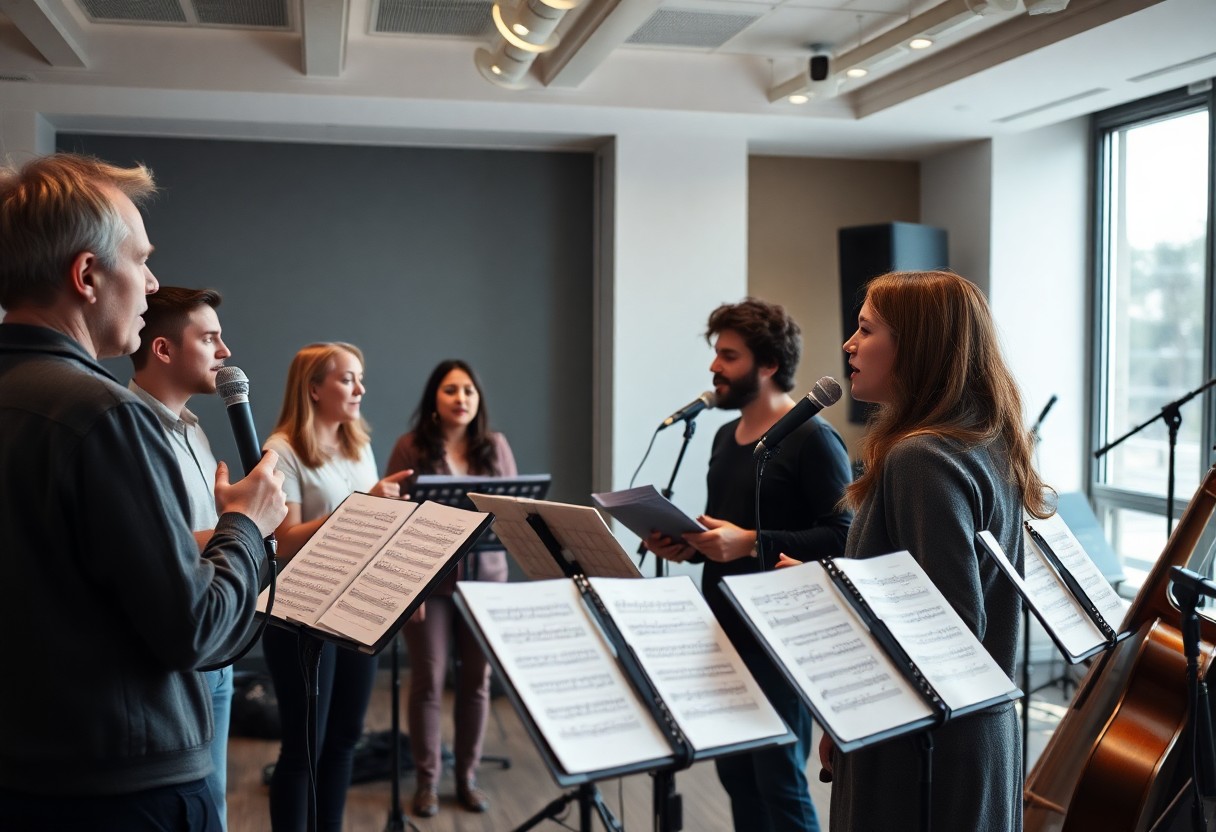
Evaluating Progress and Adjusting Techniques
Despite your commitment to improving your singing, it’s vital to regularly assess your progress and modify your techniques accordingly. Evaluating your growth within the context of your chosen genre allows you to identify strengths and weaknesses effectively. By keeping track of your achievements and areas needing improvement, you can make informed adjustments to ensure your vocal lessons remain relevant and beneficial to your specific style.
Setting Genre-Appropriate Goals
Any goals you set for your singing journey should align with the genre you want to master. This means defining what success looks like within that specific style, whether it’s perfecting breath control for opera or developing improvisational skills for jazz. Tailoring your objectives in this way ensures that your practice sessions are focused and purpose-driven, leading to more significant progress in your vocal abilities.
Feedback Methods for Improvement
Before moving forward in your singing development, it’s vital to incorporate effective feedback methods. Regular feedback helps you pinpoint specific areas for enhancement per your genre, ensuring you remain on track.
Considering different feedback options can significantly impact your growth as a singer. You might seek laughter or honest critique from peers, working with a vocal coach, or using recording techniques to analyze your progress.
Regular, constructive feedback can help you identify vocal flaws, gauge your performance against your genre standards, and encourage positive growth. Engaging openly with feedback allows for a more tailored learning experience, giving you insights into both your strengths and weaknesses that you may otherwise overlook. Consistent evaluation fosters continuous improvement tailored to the intricate demands of your chosen style.
Final Words
Summing up, understanding genre-specific techniques is necessary in tailoring your singing lessons to suit your unique vocal style and aspirations. By focusing on the nuances of genres like pop, classical, or jazz, you enable yourself to develop skills that resonate with your musical goals, enhance your vocal agility, and broaden your performance range.
This targeted approach not only accelerates your progress but also fosters a deeper connection to the music you love, empowering you to express yourself authentically and effectively in your chosen genre.