You have the opportunity to look into the vibrant universe of indie music, where creativity and originality reign. This genre offers a refreshing alternative to mainstream sounds, empowering independent artists who refuse to conform to commercial norms. As you explore, you’ll encounter a diverse range of styles and themes that reflect authentic experiences and emotions. Understanding the nuances of indie music not only enriches your listening experience but also connects you with a movement that celebrates self-expression and artistry in its purest form.
The History of Indie Music
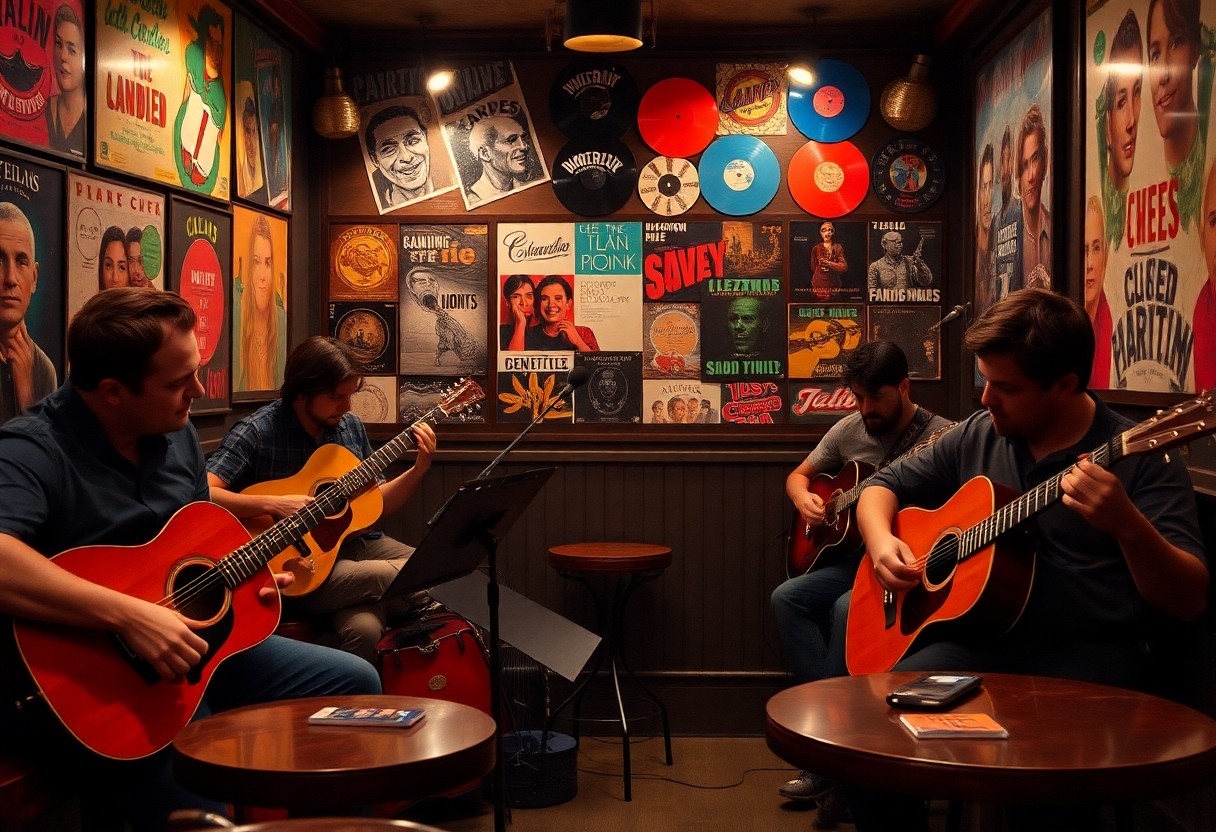
Your journey into indie music begins with understanding its rich history. Born out of a revolutionary spirit, indie music challenges conventional norms and offers a platform for unique voices to be heard. From its humble beginnings to its current status as a diverse genre, indie music reflects a tapestry of artistic expression and cultural evolution, beckoning you to explore its roots and pivotal moments that shaped its existence.
Origins and Early Influences
Origins of indie music can be traced back to the late 20th century when artists sought to break free from mainstream constraints. Influenced by punk rock, folk, and DIY aesthetics, musicians began to create music independently, focusing on authenticity and personal expression. This movement laid the groundwork for a flourishing scene that prioritizes artistic freedom over commercial gain.
The Rise of Independent Labels
Behind the scenes, the rise of independent labels played a significant role in shaping the indie music landscape. These labels emerged as creative sanctuaries for artists, allowing them to record and distribute their work outside of the mainstream music industry. Music fans began to embrace these labels for their unique sounds and authentic artist relationships, which promoted diversity and innovation. Artists like Nirvana and Radiohead leveraged these independent platforms to reach wider audiences, proving that independent artistry could generate not only passion but also success in the ever-competitive music industry.
Key Characteristics of Indie Music
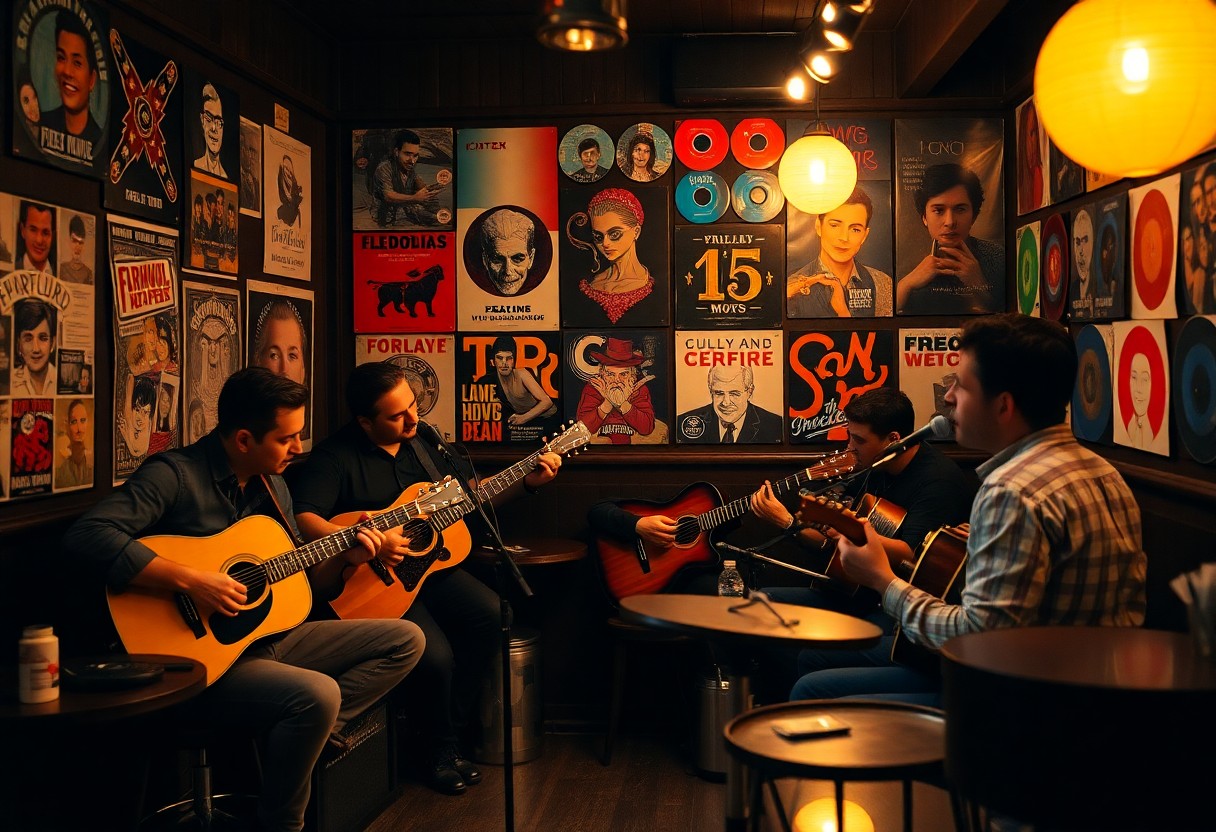
There’s a vibrant world of creativity behind indie music, defined by its unique blend of artistic freedom and DIY ethos. Unlike mainstream genres, indie music prioritizes authenticity and individuality, allowing artists to experiment with diverse sounds and approaches. This independence from commercial constraints enables you to discover music that feels personal and genuine, often resonating deeply with your own experiences and emotions.
Sound and Style
Before delving into indie music, you should know that its sound and style are incredibly diverse. Artists often blend genres, incorporating elements from rock, folk, electronic, and more. This eclectic approach invites you to enjoy a rich tapestry of sounds that defy strict categorization, making every listening experience unique.
Themes and Lyrics
Indie music often explores themes that resonate on a personal level, touching on topics such as love, identity, and social issues. Your connection to these themes may be deepened through honest and relatable lyrics, allowing you to reflect on your own life experiences.
Lyrics in indie music often showcase a raw emotional power that invites you into the artist’s world. You might find songs that explore existential dilemmas, search for belonging, or celebrate life’s fleeting moments. These themes resonate because they reflect your own struggles and triumphs, making each song feel like a personal anthem. The combination of thoughtful storytelling and poetic expression elevates indie music, allowing you to connect with the rhythms of life in a profound way.
Prominent Indie Artists
There’s a rich tapestry of talent in the indie music scene, with artists who push boundaries and defy genres. From soulful singer-songwriters to experimental bands, each brings a unique perspective to the music landscape. As you explore their sounds, you’ll find a vibrant mix of creativity and authenticity that sets them apart from mainstream artists.
Historical Figures
Between the 1960s and 1980s, pioneers like Bob Dylan, The Velvet Underground, and Sonic Youth laid the groundwork for what indie music is today. Their revolutionary sounds and self-produced records challenged the status quo, encouraging subsequent generations to express themselves freely and independently.
Modern Trailblazers
Above all, contemporary indie artists like Sufjan Stevens, Phoebe Bridgers, and Tame Impala continue to reshape the genre with innovation and depth. Their work resonates deeply with listeners, often addressing personal and social themes that foster connection and introspection.
At the forefront of this movement, you’ll discover artists who are not only reshaping the music landscape but also redefining what it means to be an indie musician. With their intimate lyrics and unique soundscapes, they challenge conventional norms and invite you to explore new emotional territories. As they push the envelope, you find that their music is not just entertainment; it’s a platform for social commentary and personal growth. Engaging with these modern trailblazers can enrich your understanding of the indie genre and deepen your appreciation for its profound impact on culture.
The Role of Technology in Indie Music
After the rise of digital technology, indie artists have experienced a significant shift in how they create, distribute, and promote their music. With access to affordable recording equipment and software, you can now produce high-quality tracks from the comfort of your home. This democratization of music production has empowered independent musicians to reach audiences without the need for major record labels, allowing for more diverse sounds and styles to flourish.
DIY Recording Techniques
Music production has become a highly accessible craft, with DIY recording techniques enabling you to create your own tracks using just a computer and some basic software. Techniques such as home recording, loop building, and digital mixing allow you greater creative control than ever before. With platforms like GarageBand or Ableton Live, your bedroom can transform into a professional studio, letting your artistic vision shine.
The Impact of Streaming Services
One of the most transformative developments in indie music is the rise of streaming services, such as Spotify and Apple Music. These platforms have reshaped how you consume music, providing instant access to a vast catalog of independent artists.
In addition, streaming services offer indie musicians increased visibility and the ability to reach global audiences with minimal investment. However, the reliance on these platforms has its drawbacks; the earnings per stream are often low, challenging many artists to make a sustainable income. Although these services promote discovery and give you the opportunity to explore unique sounds, they can also create pressure to produce content frequently, impacting the artistic integrity of your work. Balancing these aspects is crucial for navigating the intricacies of the modern music landscape.
Cultivating an Indie Music Scene
Unlike mainstream music, cultivating an indie music scene allows for a rich tapestry of local talent, creativity, and community engagement. By fostering connections between artists, fans, and local businesses, you create a fertile environment for diverse sounds and unique artistic expressions. Emphasizing collaboration over competition helps establish a supportive ecosystem where emerging musicians can thrive and share their craft without the constraints often found in commercial music markets.
Local Venues and Community Support
Along with nurturing local talent, your support for venues that host indie acts is vital. These spaces serve as the heart of the indie music scene, providing a platform for artists to showcase their work while allowing you to experience intimate performances. By attending shows, spreading the word, and even volunteering at these venues, you help create a thriving community rooted in shared passion and artistic growth.
Indie Music Festivals
Alongside local venues, indie music festivals play a significant role in spotlighting emerging artists and building connections within the scene. These events gather a diverse lineup of talent, allowing you to discover new sounds while supporting independent musicians.
Indie music festivals offer you an unparalleled opportunity to immerse yourself in the vibrant world of independent artistry. They feature a diverse range of artists and styles, so you can explore genres that resonate with you. Supporting these festivals not only helps sustain the indie music community but also allows you to connect with like-minded fans, creating lasting memories and friendships. Moreover, attending outdoor gatherings or themed events often leads to an electric atmosphere filled with creativity and spontaneity. So, gear up for an unforgettable experience that celebrates the heart and soul of indie music!
Future Trends in Indie Music
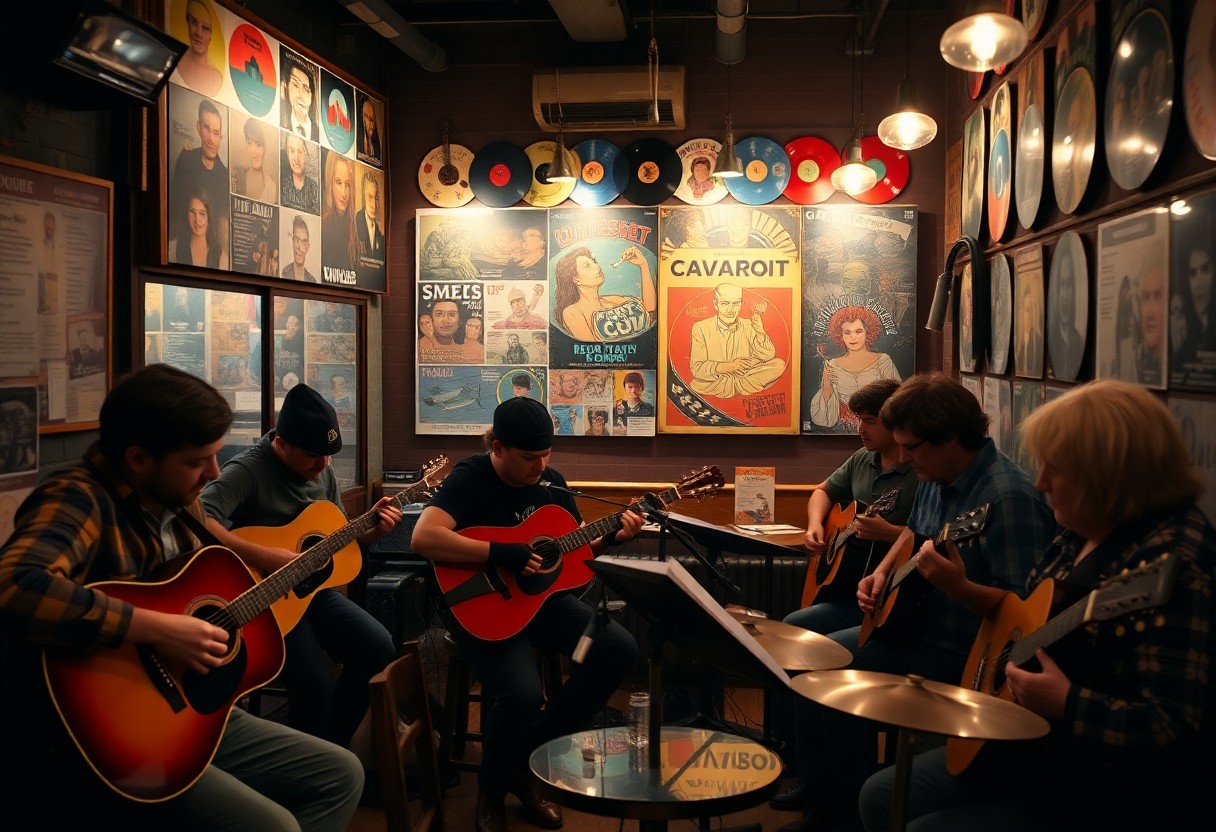
To navigate the ever-evolving landscape of indie music, you need to stay attuned to emerging trends and innovations. As artists embrace technology and social media, you can explore the latest sounds and movements, tapping into the community-driven energy of platforms like Reddit. Check out What’s your way to explore the music world? : r/indieheads to connect with others who share your passion.
Evolving Genres and Fusion
An exciting trend in indie music is the blending of genres, leading to unique sounds that reflect diverse influences. You’ll find artists fusing elements of pop, rock, electronic, and world music, creating something fresh and innovative. This evolution encourages you to be open-minded and explore different styles, broadening your musical horizons.
The Global Indie Movement
One of the most remarkable aspects of today’s indie music scene is its global reach. You can discover artists from various corners of the world, each bringing their unique cultural background and sound to the forefront. Genres are influenced by local traditions, creating a rich tapestry of music that invites you to listen and learn.
Genres like Afrobeats, Latin trap, and Indie pop showcase the blending of regions and musical styles, welcoming the globalization of indie music. You’ll be captivated by underground scenes thriving alongside mainstream markets, empowering artists to take creative risks. By engaging with this diverse movement, you contribute to a vibrant landscape where innovation, unity, and creativity flourish.
Summing up
With this in mind, exploring the world of indie music offers you a unique gateway to diverse sounds and perspectives that mainstream avenues often overlook. By immersing yourself in this dynamic genre, you not only discover emerging artists but also contribute to a rich cultural landscape. Engage with various platforms, attend live shows, and share your favorite finds to further enrich your journey. Each note and lyric has the potential to resonate deeply within you, making your exploration of indie music a profoundly personal and rewarding experience.
FAQ
Q: What defines indie music, and how does it compare to mainstream music?
A: Indie music, short for independent music, refers to a genre of music produced by artists and labels that operate outside the major commercial music industry. Characteristics of indie music include a focus on artistic expression, experimentation, and often a DIY (do-it-yourself) ethic. Unlike mainstream music that is tailored for mass appeal and often created with commercial success in mind, indie music prioritizes innovation over commercial viability. Artists in the indie scene typically have more creative freedom, enabling them to explore diverse sounds and lyrical themes that may not be commercially successful but resonate with their personal vision and audience.
Q: How can I discover new indie music artists and bands?
A: There are numerous avenues to explore and discover the vast array of indie music artists and bands. One effective method is to utilize music streaming services that offer curated playlists dedicated to indie genres. Platforms like Spotify, Apple Music, and Bandcamp often highlight up-and-coming independent artists and provide recommendations based on your listening habits. Additionally, attending local concerts or music festivals that showcase indie acts can provide an immersive experience. Online communities and social media platforms, including Reddit and Instagram, also serve as great resources for recommendations and discovering new talent through artist collaborations and fan interactions.
Q: What role do independent record labels play in the indie music scene?
A: Independent record labels play a significant role in the indie music scene by supporting artists who prioritize creativity over commercial constraints. These labels often provide not only financial backing for recording and distribution but also vital marketing and promotion tailored to an artist’s vision. They tend to nurture their artists’ development and help build a loyal fanbase without the pressures of mainstream commercial expectations. As a result, many indie labels become a cornerstone for cultivating innovative talents and enabling diverse musical voices to reach audiences worldwide.