Evolution in hip-hop culture reflects not only the rhythmic beats and lyrical storytelling but also the significant social movements that have shaped its journey. As you explore into its history, you’ll uncover how hip-hop has transformed from street corners to a global phenomenon, intertwining with topics such as identity, resistance, and empowerment. Understanding this evolution allows you to appreciate the complex narratives and cultural shifts that have influenced generations and continue to impact society today.

The Origins of Hip-Hop Culture
While hip-hop culture has undergone significant transformation, its roots can be traced back to the economically challenged neighborhoods of the Bronx in the 1970s. Born out of a desire for self-expression and community, hip-hop emerged as a response to socio-political issues faced by marginalized communities. It brought together various art forms like rapping, DJing, graffiti art, and breakdancing, creating a vibrant cultural movement that resonated with the youth of that era.
Historical Context
At the time of hip-hop’s inception, urban America was grappling with rising crime rates, economic decline, and social unrest. The Bronx, in particular, experienced severe poverty and displacement due to city planning decisions and a lack of resources. These circumstances shaped the attitudes and expressions within hip-hop, which became a means of empowerment for the youth looking to voice their frustration and dreams.
Key Figures in the Birth of Hip-Hop
Along with socio-economic factors, pivotal figures played an vital role in shaping hip-hop culture. Pioneers like DJ Kool Herc, Afrika Bambaataa, and Grandmaster Flash laid the groundwork for the genre, utilizing innovative techniques and engaging the community through music and dance. Their influence extended beyond mere entertainment; they fostered a sense of belonging and inspired you to challenge societal norms.
Even today, the significance of these leaders is profound. DJ Kool Herc is credited with developing the breakbeat, a crucial technique that became the backbone of hip-hop music. Afrika Bambaataa‘s emphasis on unity and positivity through the Zulu Nation spread the message of peace and social change. Meanwhile, Grandmaster Flash‘s groundbreaking DJ skills, including cutting and scratching, pushed creative boundaries and set the stage for future artists. The contributions of these early figures not only defined the sound of hip-hop but also instilled a sense of identity and community that continues to resonate with you today.
The Elements of Hip-Hop
It is necessary to understand that hip-hop culture is built upon four core elements: rapping, DJing, breaking, and graffiti. Each component contributes uniquely to the cultural landscape, creating a vibrant tapestry that has evolved over the decades. As you explore these elements, you will gain insights into how they intertwine, reflect social issues, and help express identities within urban communities.
Rapping
One of the most recognizable elements of hip-hop is rapping, an art form characterized by rhythmic and rhyming speech. As you listen to the diverse styles and lyrics, you will discover how rappers use their voices to convey personal stories, social commentary, and cultural experiences, making their words resonate with listeners worldwide.
DJing
Elements of DJing are foundational to hip-hop, serving as the backbone of its sound. DJs manipulate records and beats to create an engaging atmosphere, utilizing techniques like scratching, mixing, and beat-matching. This skill not only sets the rhythm but also elevates the entire hip-hop experience, giving life to the genre’s powerful messages.
It is fascinating to note that DJs were among the first to pioneer hip-hop, establishing them as integral figures in the culture. By selecting and manipulating tracks, DJs lay the groundwork for MCs to deliver their verses, enabling a dynamic interplay between the music and the message. You can see how DJs have transformed parties into movements, often leading the charge for social change within various communities.
Breaking
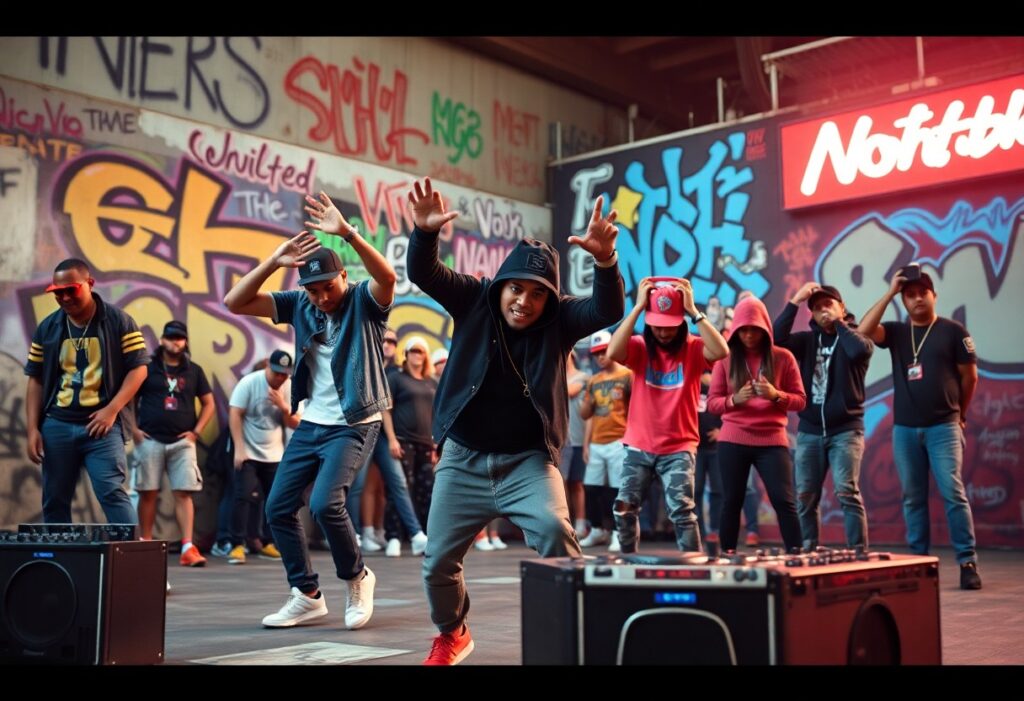
Among the elements of hip-hop, breaking, commonly known as breakdancing, showcases impressive physicality and creativity. This dance form provides a platform for self-expression and competition, allowing dancers to execute stunning moves while showcasing their unique style. As you witness battles and performances, you will appreciate how breaking embodies the spirit of hip-hop culture.
Indeed, breaking has evolved from its street origins into a celebrated art form recognized worldwide. As you explore this vibrant expression, you will find that it fosters community and unity among dancers while also allowing individuals to convey their personal narratives through movement. The passion and energy evident during battles serve to inspire onlookers and participants alike.
Graffiti
DJing intersects with graffiti in illuminating ways, as both reflect the creativity and defiance of hip-hop culture. Graffiti artists express their identities through colorful murals and tags, often using public spaces as their canvas. As you admire these works, you will perceive how they challenge societal norms while conveying powerful messages about resistance, identity, and social justice.
At the heart of graffiti lies the desire for recognition and artistic freedom. As you engage with this element, you will discover that many renowned artists began their journeys in the streets, using spray paint as a tool for storytelling. Through their eyes, you will see how graffiti, while sometimes met with controversy, remains a vital part of hip-hop culture, symbolizing hope, rebellion, and resilience.

The Evolution of Hip-Hop Music
Once again, hip-hop music has transformed remarkably since its inception in the 1970s. Initially characterized by block parties and DJ sets, it has evolved into a complex tapestry of sounds influenced by various genres, including jazz, funk, and electronic music. This evolution reflects not just a change in musical style but also a shift in cultural narratives and societal issues addressed through the medium. As you explore the journey of hip-hop, you’ll uncover how it navigated social landscapes while shaping its identity.
From Old School to New School
Music has continually shifted from old school to new school, marked by distinct stylistic changes and thematic depth. The old school brought foundational sounds thanks to pioneers like Grandmaster Flash and the Furious Five, whose rhythmic storytelling set the stage for future artists. In contrast, the new school embraced trends like faster-paced beats and variable lyrical content, paving the way for artists like Nas, Jay-Z, and Kendrick Lamar. This transition highlights your role in engaging with these evolving narratives as hip-hop grows alongside you.
Genre Fusion and Diversity
About the landscape of hip-hop, genre fusion and diversity have become hallmarks of its evolution. You may notice that the genre has merged with elements from R&B, rock, Latin, and even country, resulting in captivating collaborations. This blending not only enhances the sonic palette of hip-hop but reflects a broader cultural shift, inviting you to experience the richness of varying influences.
Diversity within hip-hop stems from its dynamic ability to incorporate different musical styles and cultural elements, reflecting the intricacies of your environment. Artists like Lil Nas X, for instance, have challenged genre norms by fusing hip-hop with country, while others like Bad Bunny have introduced Latin rhythms into mainstream rap. Such innovations have made hip-hop more accessible and relatable, ensuring its relevance in a multicultural world. This fusion creates a vibrant tapestry that resonates with your experiences, inviting you to embrace the multitude of voices that shape the genre.
The Influence of Hip-Hop on Society
Your understanding of hip-hop culture extends beyond music; it reflects broader societal changes. Hip-hop has transformed into a powerful voice that shapes various aspects of daily life, influencing everything from language to social movements. You can explore more about The Evolution of Hip-Hop and its Impact on Popular Culture to grasp its profound societal implications.
Political and Social Commentary
For decades, hip-hop has served as a platform for political and social commentary, addressing issues such as inequality, systemic racism, and injustice. Artists have used their music and lyrics to reflect the struggles faced by marginalized communities, pushing listeners to confront uncomfortable truths. This genre has effectively initiated conversations around important social issues, making it a vital tool for activism and reflection.
Impact on Fashion and Lifestyle
After hip-hop emerged, it profoundly changed fashion and lifestyle choices worldwide, promoting self-expression through unique styles and trends. You can see how hip-hop’s influence transcends mere clothing; it has led to the creation of new cultural identities and movements.
A significant aspect of the impact of hip-hop on fashion is its ability to challenge traditional norms. This genre popularized streetwear, pushing brands to cater to a more urban clientele. Hip-hop artists often use their platforms to showcase bold, innovative styles that communicate their personal stories. Additionally, partnerships between artists and fashion designers have created a lucrative market, allowing fans to emulate the looks of their favorite performers. This connection between music and style has cultivated a sense of community and belonging among fans, emphasizing hip-hop’s role as a catalyst for cultural evolution.
Globalization of Hip-Hop
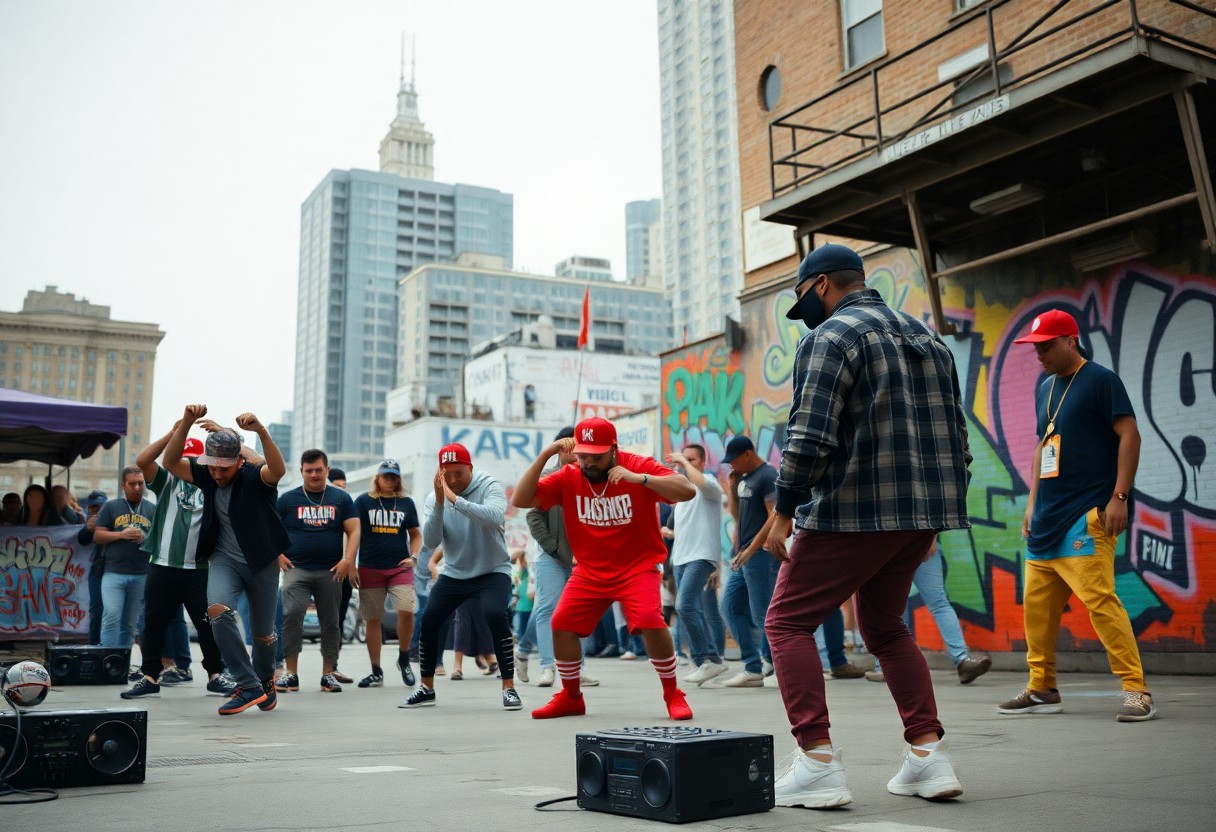
Not only has hip-hop infiltrated local cultures, but it has also transformed into a global phenomenon. As you research into the international scenes, you’ll notice this genre transcends borders, influencing and inspiring diverse communities around the world. From Brazil to Japan, hip-hop has adapted to various cultural contexts, reflecting the shared struggles and aspirations of youth everywhere.
International Adaptations
To appreciate the globalization of hip-hop, you must consider how it has been molded by different cultures. Artists from various countries have taken the core elements of hip-hop and infused them with their own languages, traditions, and social issues. For instance, in France, rappers address the immigrant experience, while in Tanzania, artists merge traditional beats with hip-hop rhythms, creating vibrant new sounds.
Cross-Cultural Collaborations
An integral part of hip-hop’s global evolution has been the emergence of cross-cultural collaborations. By partnering with artists from various backgrounds, hip-hop musicians have not only expanded their audiences but also enriched lyrical narratives and musical styles. Such collaborations foster unity and mutual understanding across cultural divides.
Further, these partnerships can lead to transformative music that showcases the beauty of diversity within hip-hop culture. When you explore collaborations between American artists and counterparts in Africa, Asia, or Europe, you’ll find an array of sounds that blend different rhythmic styles, enriching the listening experience. Notably, artists like Drake have collaborated with artists from around the world, showcasing the power of collaboration to create music that resonates with a global audience. This spirit of unity through music exemplifies hip-hop’s ability to connect people from varying backgrounds and promote a greater understanding of shared experiences.
The Role of Technology in Hip-Hop
For many, the evolution of hip-hop has been profoundly influenced by technology, transforming how you experience music and culture. From the turntable to the smartphone, technological advancements have not only reshaped the sound of hip-hop but have also expanded its reach and accessibility, making it a global phenomenon. You can now engage with hip-hop like never before, as artists and fans alike utilize technology to connect, create, and innovate within the genre.
Sampling and Digital Production
After the introduction of digital production tools, sampling became a widely embraced technique in hip-hop, allowing you to blend diverse sounds and influences seamlessly. This shift empowered aspiring producers to create professional-quality tracks using software, democratizing music production. As a result, the artistry of hip-hop now thrives on the innovative use of samples, showcasing the genre’s rich history while pushing its boundaries further than ever before.
Social Media and Music Distribution
Between the rapid rise of social media platforms and streaming services, the landscape of music distribution has changed dramatically. Artists now reach audiences directly through channels like Instagram, TikTok, and YouTube, allowing you to discover new talent and tracks instantly. This shift has eliminated traditional gatekeepers, enabling you to consume and share music in real-time, ultimately creating a dynamic environment that actively shapes the sound of hip-hop.
It is imperative to recognize how social media and music distribution have reshaped the industry, providing both opportunities and challenges. With the ability to easily share content, artists can gain instant recognition, allowing underground talent to emerge and thrive. However, this ease of access also leads to an oversaturated market, making it difficult for you to find authentic voices amidst the noise. Moreover, while platforms enable direct engagement with fans, they can also be overwhelming, changing how you perceive and consume hip-hop culture.
Conclusion
Drawing together the threads of hip-hop culture’s evolution helps you appreciate its profound impact on society. You can see how the genre has transcended its origins, adapting to technological advances, social issues, and cultural shifts. By understanding these transformations, you gain insights into not just the music, but also the collective voice it represents. Embracing hip-hop means engaging with a dynamic narrative that reflects your experiences and those of countless others across the globe.
FAQ
Q: How has hip-hop culture evolved since its inception?
A: Hip-hop culture originated in the 1970s in the South Bronx, New York City, as a form of self-expression through music, dance, and art. Initially characterized by block parties and graffiti, hip-hop expanded to include four primary elements: MCing (rapping), DJing, graffiti art, and breakdancing. Over the decades, hip-hop has evolved significantly, influenced by social, political, and technological changes. The 1980s and 1990s saw the emergence of various sub-genres, including gangsta rap and conscious rap, offering diverse perspectives through their lyrics. In recent years, hip-hop has incorporated elements from genres like pop, EDM, and trap, leading to its global popularity and the rise of new artists who reflect contemporary issues and experiences.
Q: What role does hip-hop play in social and political movements?
A: Hip-hop has long been a powerful vehicle for social and political commentary. Artists often use their platforms to address issues such as racism, poverty, police brutality, and inequality. Songs and lyrics can raise awareness and mobilize communities around social justice movements. For instance, artists like Public Enemy and Kendrick Lamar have tackled systemic oppression and have been involved in activism. Furthermore, hip-hop culture has had a prominent presence in protests, such as the Black Lives Matter movement, highlighting its importance in shaping public discourse and inspiring collective action.
Q: In what ways has technology impacted the evolution of hip-hop culture?
A: Technology has profoundly influenced hip-hop culture, particularly in the realms of music production, distribution, and consumption. The introduction of affordable music production tools and software has democratized music-making, allowing aspiring artists to create high-quality tracks from their own homes. Social media platforms and streaming services have revolutionized how hip-hop is promoted and consumed, enabling artists to reach global audiences without the constraints of traditional record labels. Additionally, platforms like TikTok have created new trends in music and dance, further influencing the direction of hip-hop culture and its engagement with younger generations, making it a living and adaptive art form.