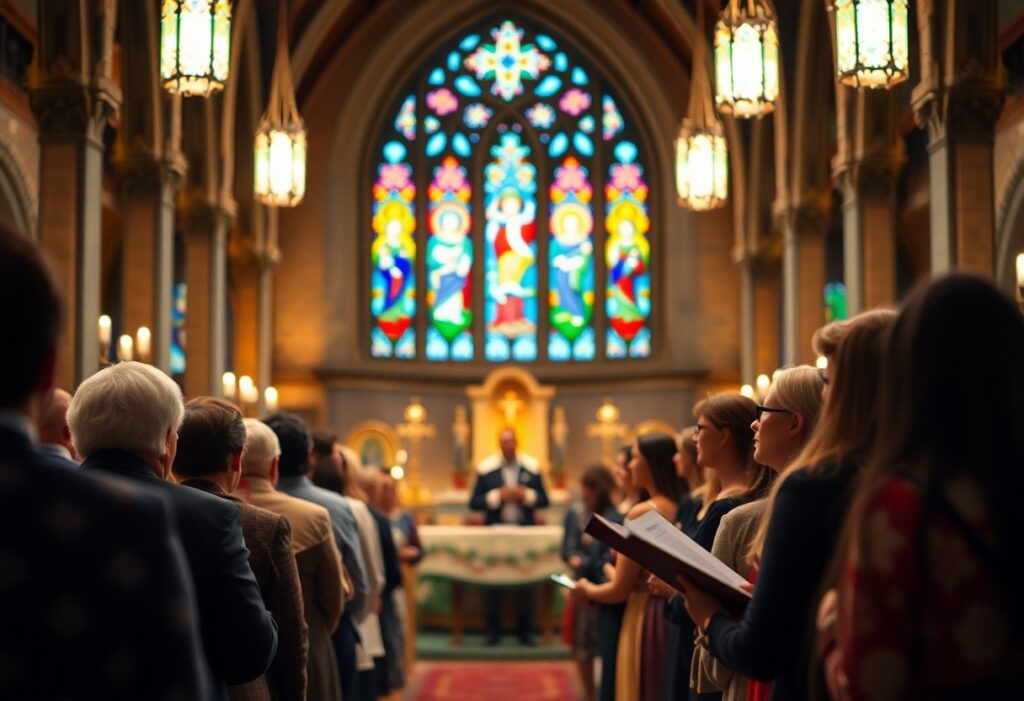
Most people recognize that music holds a profound significance in religious ceremonies, serving as a powerful tool to enhance worship experiences. Through melodies and rhythms, you can connect with the divine, express your faith, and participate in a larger communal atmosphere.
From hymns that uplift your spirit to chants that create a meditative environment, music can evoke deep emotional responses and strengthen your sense of belonging. It not only facilitates a shared connection among congregants but also reinforces the teachings and traditions central to your faith.
Historical Context
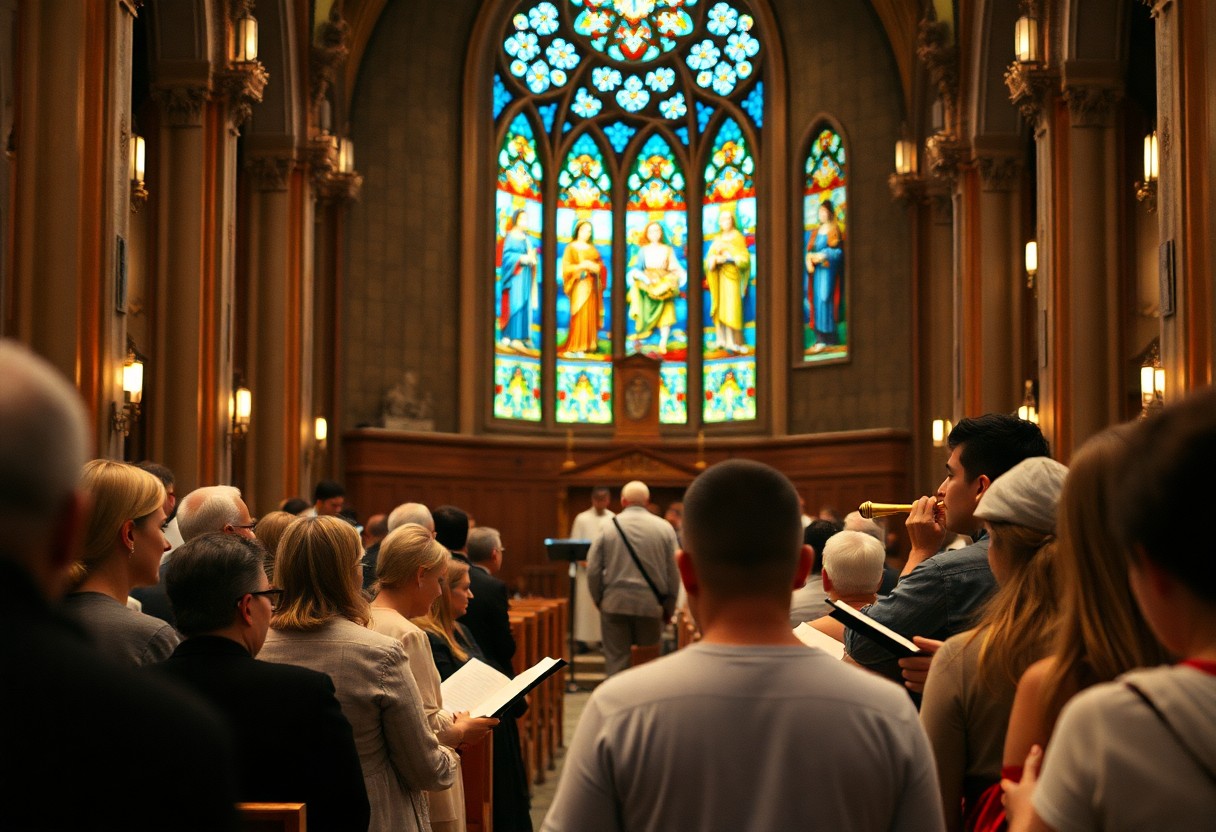
As you investigate into the role of music in religious ceremonies, understanding its historical context is necessary. Throughout history, various faiths have incorporated music to enrich spiritual practices, strengthen community bonds, and enhance the worship experience. This integration has evolved across different cultures, revealing the deep connection between music and the divine.
Ancient Religious Practices
Ancient rituals often included music as a means of communication with the gods. In numerous cultures, chants, hymns, and instrumental performances were believed to invoke divine presence and favor, creating a connection between the mortal and the spiritual realms.
Evolution of Music in Worship
An exploration of how music has evolved in worship reveals profound transformations. This journey reflects not only changes in musical styles and instruments but also shifts in cultural values and theological perspectives. Over time, music has become more diverse, enabling various religious experiences that resonate with the beliefs of different communities.
As faiths adapted to societal changes, you’ve likely observed the blending of traditional elements with contemporary influences, thus enriching your own worship experience. The power of music in fostering communal ties and enhancing spiritual expression cannot be overstated, as it continues to play a vital role in your religious practices today.
Cultural Variations
If you explore the world of music in religious ceremonies, you’ll discover a rich tapestry of cultural variations influenced by local traditions, beliefs, and practices. Different regions and religions have unique musical expressions that reflect their spiritual values and customs. This diversity enriches the experience of worship and highlights the universal importance of music in connecting communities with the divine.
Western Religious Music
By understanding Western religious music, you will find that it has roots in sacred traditions such as Gregorian chants and choral compositions. These genres emphasize harmonies and lyrics that convey deep theological themes, often performed in churches during services and special ceremonies. Instruments like the organ play a significant role, creating an atmosphere that enhances worship and reflection.
Eastern Religious Music
By examining Eastern religious music, you will encounter a variety of styles ranging from the intricate melodies of Indian classical music to the meditative chants found in Buddhist practices.
The emphasis lies on the use of traditional instruments, such as the sitar or tabla, which are integral to the execution of spiritual music, facilitating deep connection during rituals.
Consequently, Eastern religious music is characterized by its profound *spirituality* and *meditative qualities*, often aimed at achieving a state of *inner peace* or *enlightenment* for the listener. Festivals and ceremonies frequently feature *call-and-response* chants, allowing congregations to participate actively in worship.
Instruments like the *bansuri*, played in Hindu rituals, highlight the harmonious connection between *nature* and the *divine*, creating an immersive experience that resonates deeply with participants. Such music serves not only as a mode of worship but also as a means for *communal bonding*, promoting a sense of belonging among worshippers.
Psychological Impact
It is well-documented that music plays a significant role in shaping our emotional and psychological experiences during religious ceremonies. The psychological role of music and attentional control for individuals can enhance spiritual experiences, increase focus, and foster deeper connections to the rituals being observed. Engaging with music in these contexts can lead to improved mental well-being and a sense of inner peace.
Emotional Connection
Emotional resonance is at the heart of music’s influence during religious ceremonies. It facilitates a powerful connection between you and the divine, evoking feelings of love, hope, or reverence. This emotional engagement is vital for deepening your spiritual experience and enhancing personal growth.
Sense of Community
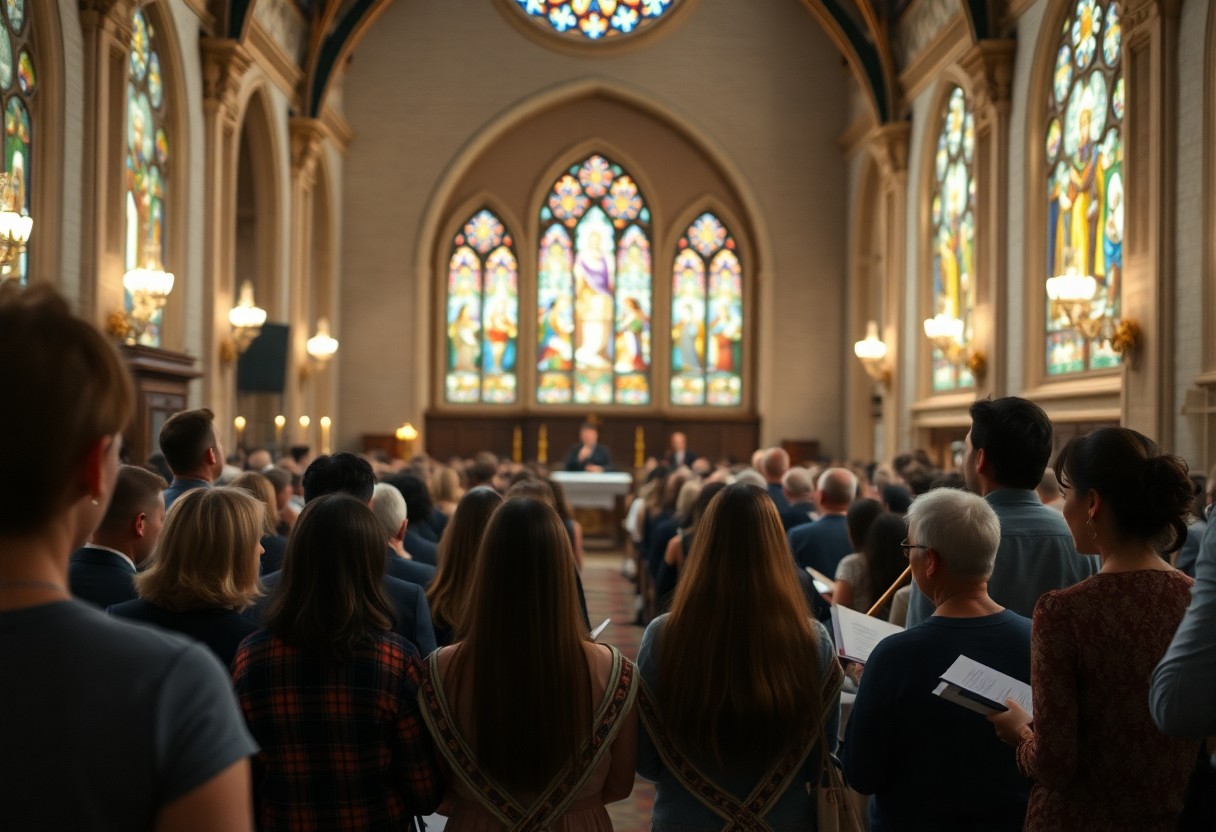
Between individuals, music fosters a strong sense of community during religious ceremonies. The shared experience of singing or listening to hymns promotes unity and belonging, as you participate together in expressions of faith.
To amplify this sense of community, music often serves as a bonding element, allowing you to engage collectively with traditions and rituals that have been passed down through generations.
This shared musical experience cultivates a sense of belonging and enhances interpersonal connections, revealing the power of collective worship. By participating in these musical moments, you contribute to a shared history, reinforcing social ties and the interconnectedness of your community’s beliefs and values.
Musical Elements and Their Significance
Keep in mind that the musical elements present in religious ceremonies play vital roles in enhancing the overall experience. These elements, including lyrics, melodies, and harmonies, not only create an atmosphere conducive to spiritual reflection but also establish a connection among participants. As you observe and engage with these musical components, you’ll discover how they can amplify emotions, reinforce traditions, and foster a sense of community.
Lyrics and Messages
Musical lyrics in religious ceremonies often convey profound messages of hope, faith, and unity. When you listen to these words, they resonate deeply and help you connect with the spiritual themes central to the ceremony. The messages encapsulated in the lyrics serve not only to enlighten but also to guide you in your personal spiritual journey.
Melodies and Harmonies
About the melodies and harmonies in religious music, they are carefully crafted to evoke emotional responses that enhance your connection to the divine. These musical components create a rich soundscape that engages your senses and invites you to participate more fully in the ceremony.
Due to their power in shaping the emotional landscape of religious experiences, melodies and harmonies play an necessary role in ceremonies. You might find yourself moved by the soaring harmonies that elevate the collective spirit of worship or the gentle melodies that create a sense of peace and reflection.
These elements can bring about feelings of joy, reverence, and introspection, allowing you to connect with your sacred beliefs on a deeper level. Through careful composition, music becomes a vehicle for divine expression, enhancing your spiritual connection and reinforcing communal ties within the ritual setting.
The Role of Music in Different Religions
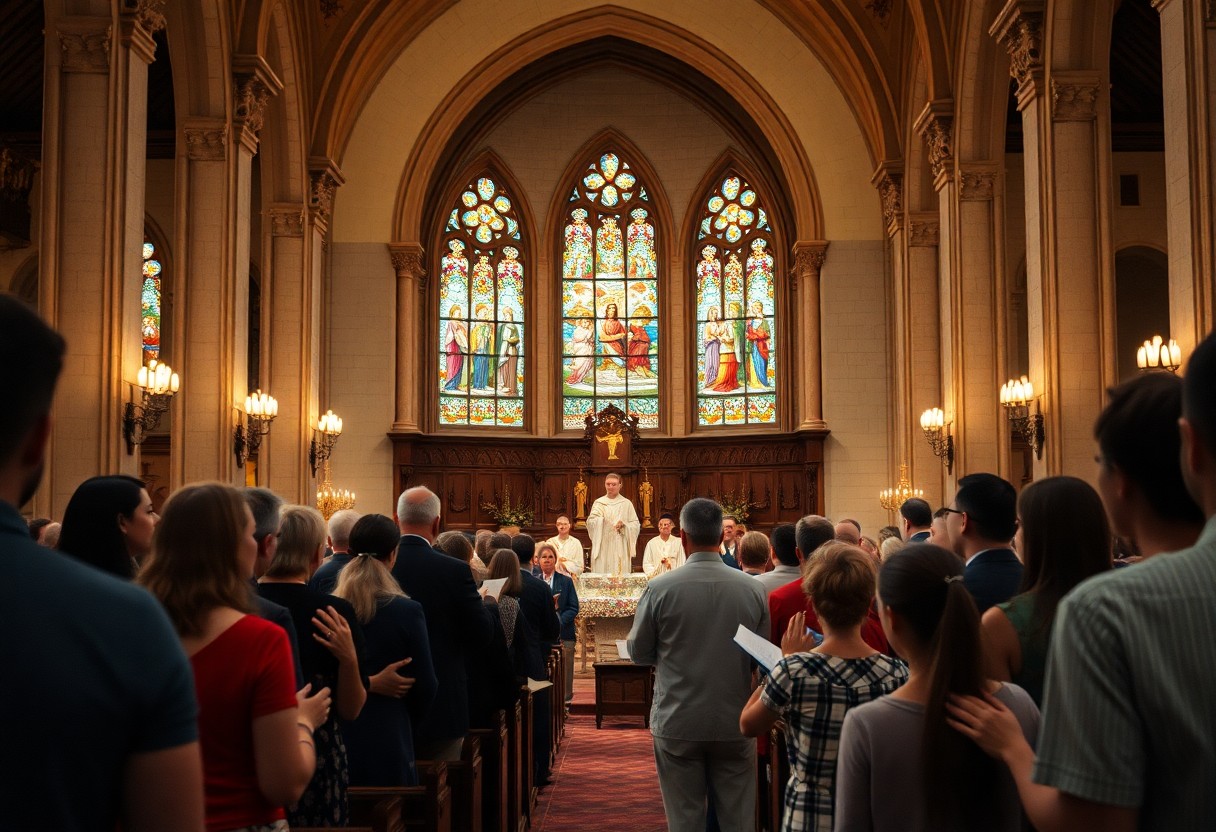
To understand the impact of music in various religious traditions, it’s necessary to explore how each faith utilizes music to enhance spiritual experiences and communal gatherings. From solemn hymns to vibrant chants, the role of music varies significantly across different cultures, shaping their practices and beliefs.
Christianity
Music plays a vital role in Christianity, serving as a medium for worship and expression of faith. Hymns and contemporary worship songs create a sense of community, allowing you to connect emotionally with the divine and fellow worshippers during services.
Islam
At the heart of Islam, music is often intertwined with spiritual expression, particularly through the recitation of the Quran, where the melodious nature of the Arabic language is emphasized. Traditional Islamic music, such as *Qawwali* and *Sufi* chants, transports you into a state of deep devotion and connection with Allah.
The significance of music in Islam extends beyond mere entertainment, as it can function as a vehicle for spiritual awakening and connection with the divine. While many
Muslims engage with music for celebratory purposes, such as weddings and festivals, and some adhere strictly to silent or vocal recitations that avoid instrumental accompaniment, reflecting diverse perspectives within this rich faith tradition. This diversity highlights how you can interpret and experience the role of music in Islam based on personal belief and cultural context.
Hinduism
Among Hindus, music is deeply intertwined with ritual and daily life, often used to honor deities and celebrate religious festivals. Instruments like the *sitar* and *tabla* accompany devotional songs, enhancing your spiritual connection and enriching the atmosphere of worship.
This integration of rhythm and melody in Hindu spirituality serves not only as an expression of devotion but also as a form of meditation. Bhajans and kirtans invite you to immerse yourself in the experience, fostering a sense of unity and peace within your mind and spirit.
Furthermore, the ancient tradition of *ragas* plays a significant role in enhancing the emotional landscape of worship, allowing you to explore profound feelings of devotion and transcendence through sound.
Contemporary Practices
All around the globe, contemporary practices in religious ceremonies have become increasingly diverse. Music plays an necessary role in enhancing the worship experience, often serving as a means of emotional expression and spiritual connection.
In modern congregations, the use of music reflects the prevailing cultural trends while also fostering community among participants, making it an indispensable element of religious gatherings today.
Modern Worship Services
Against the backdrop of traditional rituals, modern worship services have embraced a more informal atmosphere, often incorporating contemporary music styles to engage congregants. This evolution not only attracts younger audiences but also promotes a sense of belonging and shared experience within the faith community.
Integration of New Musical Styles
On the surface, the integration of new musical styles in religious practices may seem like a departure from tradition. However, it offers a unique opportunity for faith communities to connect with the broader culture while still maintaining their spiritual essence. By incorporating elements such as pop, rock, and hip-hop, you can create a vibrant worship atmosphere that resonates with diverse congregations.
It is necessary to recognize that the integration of new musical styles is not just about updating your playlists; it reflects a broader shift towards inclusivity and relevance in worship.
By embracing a variety of genres, you can strengthen your connection to the community and enhance the overall worship experience. However, be cautious: while modern styles can attract younger congregants, they may also alienate traditionalists, so balancing innovation with respect for ritual is vital.
Final Words
Upon reflecting on the role of music in religious ceremonies, you recognize that it serves as a powerful medium for expression, connection, and spiritual elevation. Whether through hymns, chants, or instrumental pieces, music enhances the communal experience, allowing you to engage deeply with your faith and traditions.
It fosters a sense of belonging, facilitates meditation, and marks significant moments in the religious calendar. By understanding its importance, you can appreciate how music enriches not just individual spirituality but also the collective identity of your community.
FAQ
Q: How does music enhance the spiritual experience during religious ceremonies?
A: Music has the ability to evoke deep emotional responses, creating an atmosphere that fosters connection between participants and the divine. During religious ceremonies, melodies and harmonies can aid worshippers in focusing their thoughts, elevating their mood, and prompting feelings of reverence.
The use of music can facilitate a communal experience, as congregants often join in singing or chanting, which strengthens their sense of belonging and collective spirituality.
Q: What types of music are commonly used in various religious ceremonies?
A: Different religions incorporate unique musical styles tailored to their traditions and beliefs. For instance, in Christianity, hymns and gospel music are often performed, while in Hinduism, bhajans (devotional songs) and classical ragas are significant.
In Buddhism, chanting of sutras alongside instrumental music is common. Each type serves not only to enhance worship but also to convey teachings and stories integral to the faith.
Q: How does the role of music in religious ceremonies differ among various cultures?
A: The influence of culture on the role of music in religious ceremonies is profound. For example, African traditional religions often feature rhythmic drumming and dance as expressions of spirituality, while Western religions may lean towards structured choral arrangements.
Similarly, Indigenous spirituality may incorporate nature sounds alongside songs to honor creation. These variations reflect the cultural contexts and practices that shape how music is integrated into worship and spiritual expression worldwide.