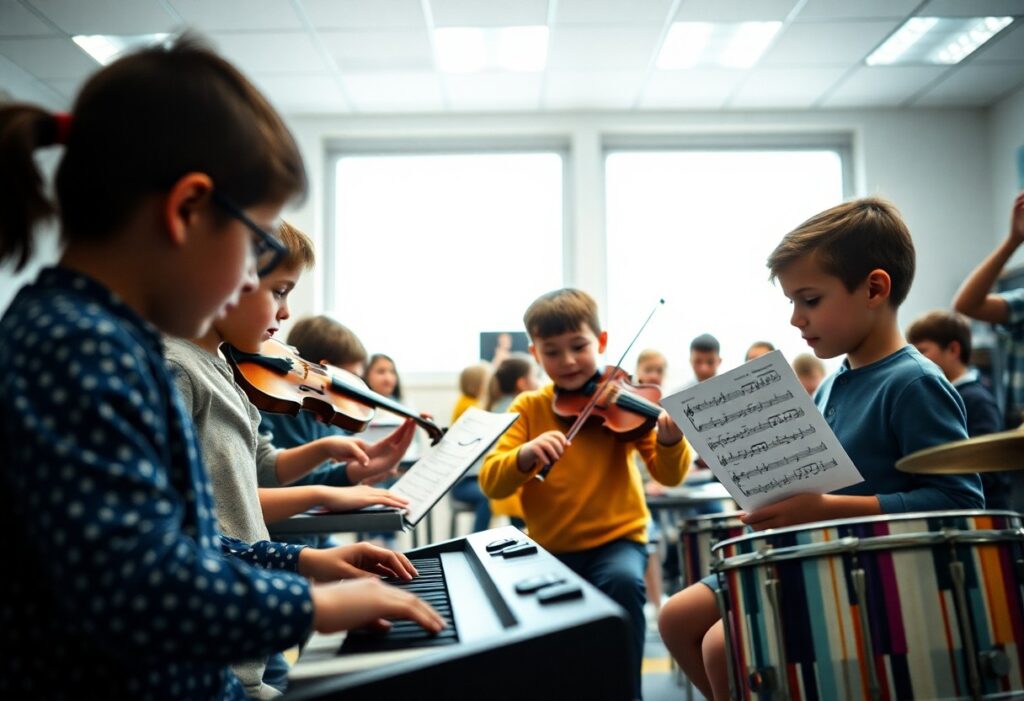
Music education has the power to transform your child’s development in extraordinary ways. Engaging in music not only enhances cognitive abilities but also fosters creativity and emotional expression. Studies indicate that children involved in music programs tend to excel academically, showing improved language skills and mathematical understanding. Furthermore, music education promotes social skills through teamwork in group settings. However, lacking access to these programs can hinder personal growth, leaving children without vital skills for success. Exploring the importance of music education can enrich your child’s future significantly.
The Importance of Music Education
The significance of music education goes beyond mere enjoyment; it plays a pivotal role in shaping well-rounded individuals. You may find that engaging with music fosters creativity and enhances critical thinking skills. By introducing music education into your child’s routine, you are not only nurturing their artistic abilities but also promoting a sense of discipline and achievement. This foundation can contribute to an enriched learning experience and a more fulfilling life, helping them thrive in various aspects of their development.
Cognitive Benefits
One of the most compelling reasons to prioritize music education is the cognitive benefits it provides. Studies have shown that learning to play an instrument can enhance memory, improve language skills, and boost overall intelligence. When children engage with music, they utilize both hemispheres of the brain, thereby improving problem-solving skills and mathematical abilities. This well-rounded stimulation can lead to better academic performance across all subjects.
Emotional and Social Development
Between the ages of 5 and 18, your child undergoes significant emotional and social growth, which can be positively influenced by music education. Music encourages collaboration, as children often participate in group activities or ensembles, fostering teamwork and communication skills. Moreover, the process of learning and performing music enables kids to express their emotions effectively, promoting emotional intelligence and resilience. Through this artistic outlet, they learn to handle both success and failure, contributing to their sense of self-worth and interpersonal relations.
Consequently, the impact of music education extends beyond mere academic enhancement. As your child interacts with peers in musical settings, they develop stronger social bonds and increase their self-esteem. They learn to respect others’ contributions while finding their own voice in a group context. This collaborative experience teaches vital conflict resolution skills and nurtures empathy, which are imperative for building lasting relationships. It is clear that music education not only enriches your child’s life but lays a strong foundation for their future emotional and social well-being.
Academic Achievement
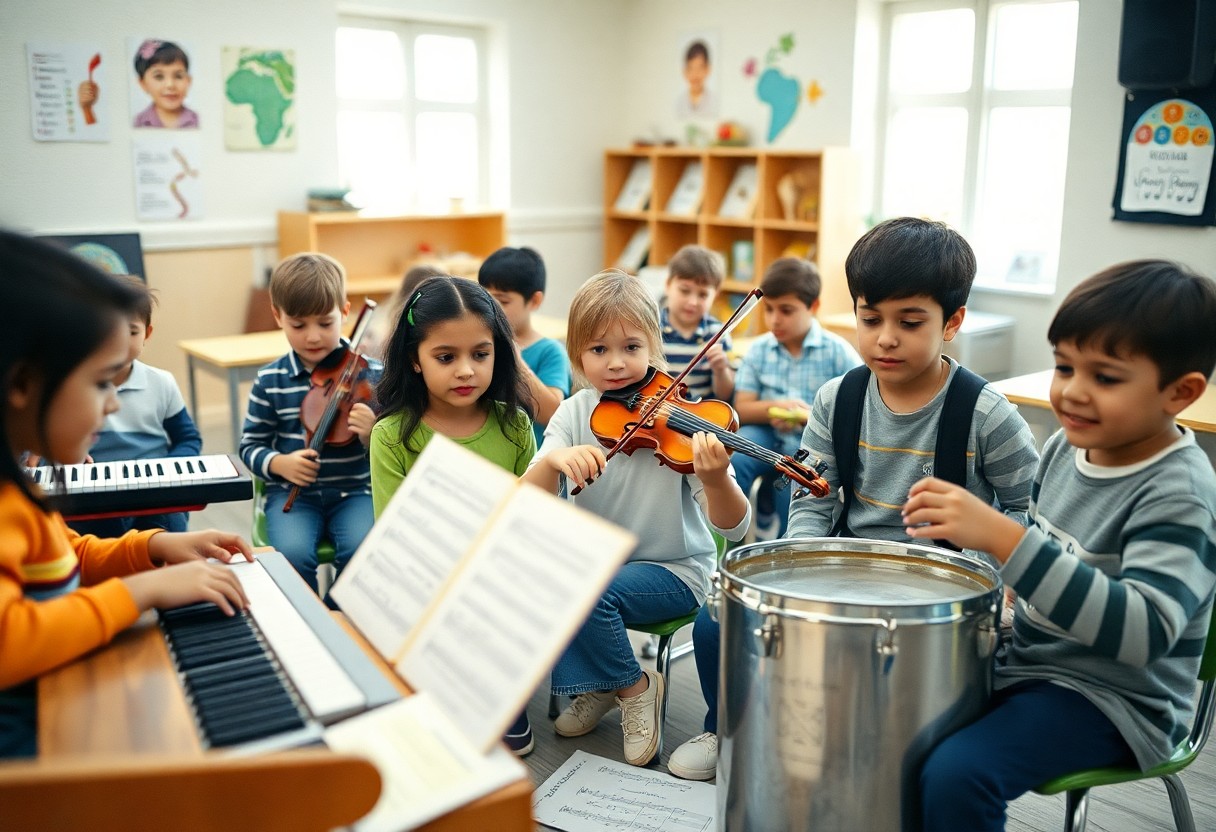
While engaging in music education, you may notice significant improvements in your child’s academic performance. Studies have shown that children involved in music programs often excel academically, demonstrating enhanced concentration, discipline, and motivation. These skills acquired through music can translate to better overall learning and grades in various subjects.
Correlation with Improved Grades
An increasing number of studies indicate that children who participate in music education tend to achieve higher grades compared to their peers. This correlation highlights the transformative role music plays in developing vital cognitive skills that support academic success. As your child examines into music, you may find their confidence and performance in other areas of study flourishing simultaneously.
Effects on Standardized Testing
Achievement in standardized testing is another area where music education makes a significant impact on your child’s future. Research indicates that students who participate in music programs often score higher on standardized tests, compared to those without music education. The discipline, memory retention, and critical thinking skills fostered by music training can contribute positively to test performance. The skills developed through music not only aid academic subjects but also give your child a competitive edge in measures of academic achievement, enriching their educational experience in many regards.

Physical Development
Clearly, music education plays a significant role in enhancing children’s physical development. Engaging in musical activities allows your child to develop various skills that contribute to their overall growth and well-being, making it an important component of their early learning journey.
Fine Motor Skills
Behind every strum, tap, or press of a key is the enhancement of fine motor skills. As your child learns to play instruments, they engage in precise finger movements that strengthen hand-eye coordination and dexterity, ultimately making everyday tasks easier.
Coordination and Rhythm
Among the benefits of music education, improving coordination and rhythm stands out as a significant aspect. By participating in musical activities, you foster your child’s ability to synchronize movements with beats, which translates to enhanced physical coordination in other areas of their life.
Considering the intense focus required to maintain coordination and rhythm, music education cultivates a sense of timing and body awareness. Your child learns to match their movements with musical beats, which not only improves physical abilities but also promotes self-discipline. When your child dances to music or plays an instrument, they are developing skills that aid in various sports and physical activities, fostering a well-rounded physical development that benefits their overall growth.
Cultural Awareness and Appreciation
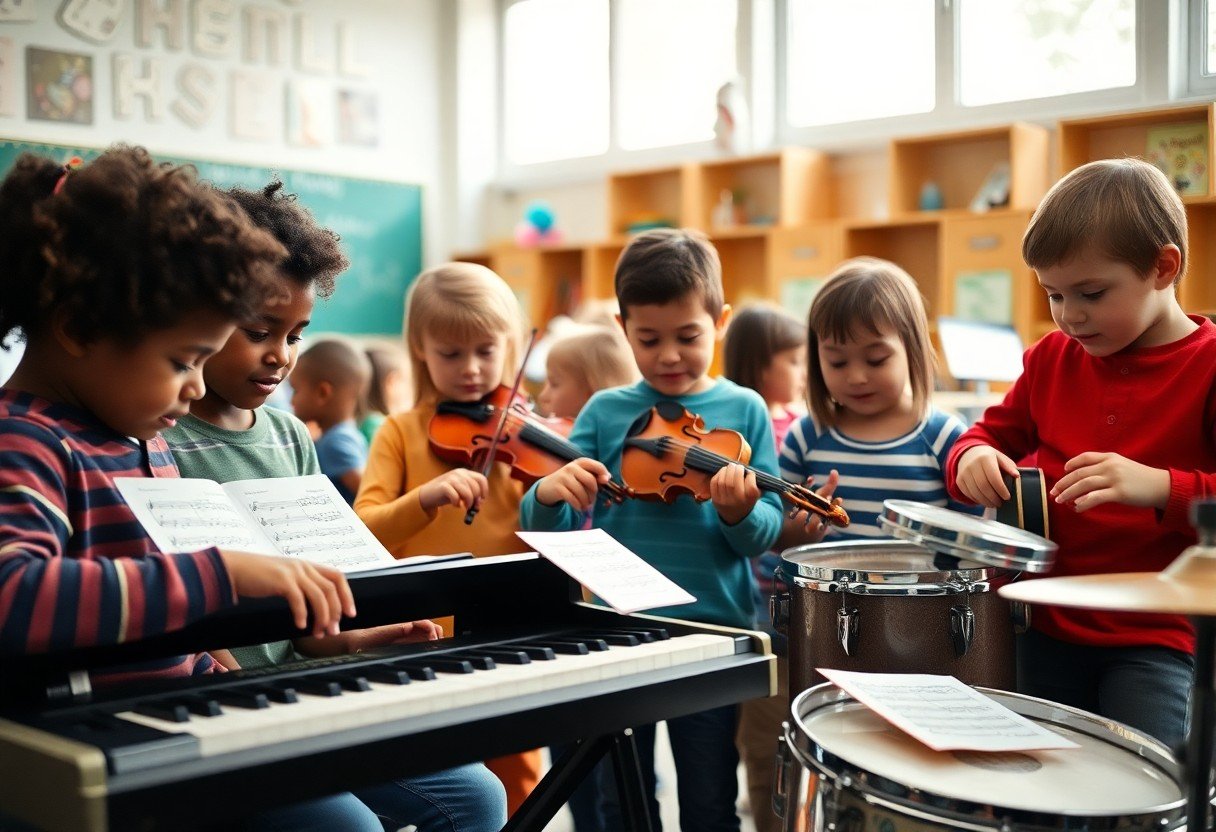
For children, music education serves as a significant gateway to cultural awareness and appreciation. Engaging with various musical styles allows you to explore different cultures and histories, fostering empathy and understanding. As you immerse yourself in music from around the world, you can observe the Effects of the Educational Use of Music on 3- to 12-Year … children, enriching your perspective on diversity and its role in society.
Exposure to Diverse Genres
On a broader scale, exposure to diverse genres of music enables you to challenge your preconceived notions and celebrate differences. By listening to and performing music from various backgrounds, you can develop a greater appreciation for the artistic expressions that define different cultures.
Understanding Historical Contexts
Alongside genre exploration, gaining knowledge about the historical contexts in which music arose deepens your understanding of its significance. You can connect the dots between music and pivotal social movements, recognizing how sounds and rhythms were instrumental in shaping cultural narratives.
A comprehensive understanding of historical contexts in music allows you to grasp the social issues and cultural tensions that influenced artists and their creations. It highlights how music has served as a form of resistance, a tool for unity, or a means of storytelling throughout history. By examining these contexts, you gain insights into the power dynamics at play and the transformative role music has had in societies. This deeper knowledge nurtures empathy and encourages you to value the rich tapestry of human experience found in every note and lyric.
Teaching Methods and Approaches
Your approach to teaching music can significantly influence a child’s learning experience. Traditional methods often emphasize structured lessons and notation, while modern techniques may incorporate improvisation and creativity, allowing for a more personalized learning journey. By blending different approaches, you can foster both discipline and innovation in your students, equipping them with a well-rounded musical education.
Traditional vs. Modern Techniques
At the heart of music education lies the debate between traditional and modern techniques. While traditional methods focus on foundational skills like reading music and practicing scales, modern techniques encourage self-expression and collaboration. As you explore these varying approaches, consider how combining elements from both can enhance your teaching strategy, ultimately benefiting your students.
Incorporating Technology in Music Education
Education is evolving, and incorporating technology into music education can open new doors for learning. With tools like digital software, apps, and online resources, you can engage students in innovative ways that resonate with their interests and lifestyles. This integration not only makes learning more interactive but also aligns with today’s digital-centric world.
Another effective way to enhance your music lessons is by utilizing online platforms and interactive software. These tools can facilitate collaboration among students, enabling them to share their work and receive feedback instantly. Additionally, using virtual instruments and music production applications allows students to experiment with sounds and rhythms, fostering creativity and innovation. By providing access to these modern educational resources, you empower your students to take charge of their musical journey, while still building a strong foundation in traditional music principles.
Challenges in Music Education
Many educators face obstacles in effectively delivering music education, which can hinder students’ growth and enthusiasm for the arts. These challenges range from limited funding and resources to the struggle of fitting music programs into an already crowded curriculum. Understanding these barriers is necessary for advocating for improved music education in your community.
Funding and Resource Allocation
Music programs often suffer from inadequate funding and resource allocation, leading to limited access to instruments, sheet music, and qualified instructors. Without proper financial support, your child may miss out on valuable opportunities to explore their musical potential and engage fully in their education.
Balancing Curriculum Requirements
For many schools, balancing music education alongside core curriculum requirements presents a significant challenge. The pressure to meet standardized test scores often leads to a prioritization of subjects like math and reading, sidelining the arts. This can restrict your child’s exposure to music education, which is vital for their holistic development.
Also, the tendency to focus predominantly on academic subjects can diminish opportunities for your child in music, creative expression, and emotional development. The arts play a significant role in enhancing cognitive skills and boosting confidence, so advocating for a well-rounded curriculum that includes music education is necessary for nurturing your child’s potential. Ensuring that music education remains part of the conversation in your child’s schooling will help promote a more balanced and enriching educational experience.
To wrap up
The impact of music education on children extends far beyond creativity; it fosters cognitive development, enhances social skills, and promotes emotional well-being. By incorporating music into your child’s education, you can help them improve their academic performance and cultivate discipline and teamwork. You may be surprised to find how these skills transfer to various aspects of their lives, ultimately shaping them into well-rounded individuals. Investing in music education is not just about learning notes; it’s about nurturing their potential and enriching their overall experience.
FAQ
Q: How does music education enhance cognitive skills in children?
A: Music education is linked to improvements in various cognitive skills such as memory, attention, and problem-solving abilities. Engaging with music requires children to learn complex patterns, which can enhance their ability to process information and think critically. Studies have shown that children involved in music programs often perform better academically, particularly in subjects like math and reading, as these skills share overlapping areas with musical training.
Q: What social benefits do children gain from participating in music education?
A: Participation in music education fosters social skills among children. When children learn music together, they develop teamwork and collaboration abilities as they often work in groups or ensembles. This process encourages communication, respect for others, and a sense of belonging. Furthermore, children who are involved in music programs are likely to build friendships based on shared interests, which boosts their social development and overall confidence.
Q: In what ways can music education contribute to emotional development in children?
A: Music education plays a significant role in the emotional development of children by providing them with an outlet for expression. Through music, children can explore and communicate their feelings, which is especially important during formative years. Engaging with music can also enhance emotional intelligence by helping children recognize and respond to their own emotions as well as those of others. Additionally, achieving musical milestones can foster a sense of accomplishment and resilience, impacting their self-esteem positively.