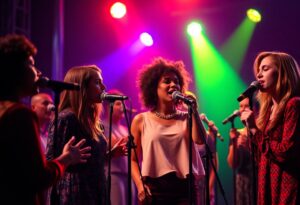
It’s fascinating to see how music festivals have transformed over the years, reflecting changes in culture, technology, and societal values. From the intimate gatherings of the 1960s to today’s massive global events filled with diverse genres and cutting-edge performances, you can trace a remarkable evolution in both the audience and the experience. This blog post will guide you through the significant milestones and trends that have shaped these vibrant celebrations, offering insights into how they cater to your evolving tastes and the ever-changing landscape of the music industry.
The Birth of Music Festivals: 1960s to 1970s
To understand how music festivals began, we must explore the vibrant backdrop of the 1960s and 1970s. This era was marked by significant social transformations, where music became a medium for self-expression and revolution. As a result, music festivals emerged as platforms for solidarity, enjoyment, and artistic exploration. In this section, you will discover how these festivals gained a foothold in popular culture, shaping the musical landscape for decades to come.
The Counterculture Movement
Beside the electrifying sounds of rock, folk, and jazz was the powerful counterculture movement that arose during this transformative time. You could see young people flocking to events that celebrated peace, love, and unity, quickly turning music festivals into vital expressions of their beliefs and values. These gatherings were not only about music but also activism, challenging societal norms and advocating for change.
Iconic Festivals: Woodstock and Altamont
Birth of two legendary festivals marked the late 1960s: Woodstock and Altamont. These events have become synonymous with the music festival experience, illustrating both the highs and lows of this vibrant decade. While Woodstock epitomized the ideals of peace and joy, Altamont showcased the darker side of the era, sparking conversations around safety and security at such large gatherings.
Another milestone in the history of music festivals was Woodstock, held in August 1969, which brought together an estimated 400,000 attendees who immersed themselves in the spirit of community and artistic expression. In contrast, the Altamont Free Concert, hosted later in the same year, took a troubling turn, culminating in violence that shocked attendees and served as a somber reminder of the challenges faced within the counterculture movement. Together, these festivals established a legacy that would shape the future of large-scale music events.
The Impact of Psychedelic Music
Against this backdrop of innovation and change was the emergence of psychedelic music. This genre not only transformed the sound of popular music but also influenced the overall experience of music festivals, pushing boundaries in creativity and performance. You would find yourself immersed in swirling lights, experimental sounds, and visual art that elevated the festival atmosphere to new heights.
With the rise of psychedelic rock bands like The Grateful Dead and Jefferson Airplane, the festival environment became a space for exploration and liberation. Elaborate light shows and mind-altering experiences offered attendees a profound connection to the music and to one another, solidifying the importance of immersive experiences at these events. This period laid the foundation for the future of music festivals, where creativity, community, and artistic expression continue to flourish.
The Rise of Commercialization: 1980s to Early 1990s
Some of the most significant changes in music festivals during the 1980s and early 1990s stemmed from the increasing commercialization of the industry. As festivals grew in popularity, the influence of corporate sponsors reshaped their atmosphere and accessibility for attendees.
Festival Sponsorship and Corporate Influence
Any discussion of this era cannot overlook the surge in sponsorship and corporate influence. Major brands began to recognize the potential in reaching festival-goers, leading to an influx of financial backing that transformed the landscape. This shift affected everything from the lineup to the overall experience, as businesses sought to showcase their products to engaged crowds.
Evolution of Festival Locations
Around this time, festivals transitioned from small, intimate settings to large-scale events held in sprawling locations. You likely noticed that many festivals now took place in stadiums, parks, or even fields, accommodating larger audiences and providing more elaborate facilities. These shifts not only boosted attendance but also elevated the overall production quality.
In addition, the diversification of locations allowed festivals to tap into different demographics and regional cultures. You might find a festival in a bustling urban center one year, then in a scenic rural area the next. This adaptability not only made it possible to cater to varying tastes but also created unique experiences that enhanced the festival culture of the time.
Introduction of Multi-Genre Festivals
Among the most notable developments was the rise of multi-genre festivals. You could now immerse yourself in diverse musical styles, ranging from rock to pop, electronic to hip-hop, all in one location. This blending of genres kept the festival landscape fresh and exciting, inviting a broader audience.
Further, the introduction of multi-genre festivals opened doors for new artists across various musical landscapes, creating an inclusive atmosphere that appealed to fans of different tastes. You would find yourself discovering new favorites, as festival lineups included established acts alongside emerging talent. This model not only promoted diversity in music but also strengthened community bonds among festival-goers.
The Digital Revolution: Mid-1990s to Early 2000s
After the arrival of the digital age, music festivals began to transform significantly, spurred by new technology and changing consumer behavior. In this era, you witnessed the fusion of music and digital trends, paving the way for an entirely new festival experience that catered to the evolving tastes of the audience.
The Role of Technology and the Internet
Mids the 1990s, the Internet started to play an important role in how music festivals were organized and experienced. Online ticket sales, social media, and websites dedicated to promoting events made it easier for you to discover festivals and buy tickets, enhancing accessibility and outreach.
The Emergence of Electronic Dance Music (EDM) Festivals
Dance music began to dominate the festival scene, leading to the rise of specialized EDM festivals that catered to this niche audience. By the late 90s and early 2000s, you could see massive crowds flocking to venues specifically designed for immersive experiences in electronic music.
With the explosion of EDM, festivals like Electric Daisy Carnival and Tomorrowland began to capture your attention with their elaborate stages, mesmerizing light shows, and energetic atmospheres. These festivals provided a sense of community, where you could connect with fellow fans and enjoy all-night parties that often lasted until sunrise, making the experience unforgettable.
Changes in Marketing and Promotion
Behind the scenes, marketing strategies transformed dramatically. Instead of relying solely on print media, promoters began to utilize digital marketing and social media channels to reach audiences more effectively, allowing for a more personalized approach to festival promotion.
Plus, the shift to digital marketing empowered you to engage with festivals in ways that were not possible before. You could follow your favorite artists, share experiences in real-time, and even participate in online contests for tickets, creating a sense of pre-festival hype. This shift not only enhanced attendance but also helped build vibrant communities around these electronic music experiences.
Diversification of Festival Experiences: 2010s
Once again, the 2010s witnessed a significant transformation in music festivals, as they began to diversify their offerings to cater to a wider audience. Attendees sought more than just music; they craved unique experiences that connected them to the festival community in innovative ways.
The Rise of Unique and Themed Festivals
Any festival-goer in the 2010s could easily spot the trend of unique and themed festivals taking center stage. Gone were the days of just partying; these events embraced various themes, from cultural celebrations to immersive experiences based on popular media, allowing you to explore and engage in entirely new environments.
Family-Friendly Music Festivals
Music festivals began to transform into family-friendly events, accommodating audiences of all ages. Parents were no longer limited to traditional outings; now they could enjoy live music while ensuring their children participated in activities specially designed for them.
Hence, family-oriented offerings expanded to include interactive workshops, arts and crafts, and designated play areas, allowing you and your little ones to connect with the festival atmosphere in a safe and engaging environment. This evolution caught the attention of parents who sought to introduce their children to the joy of music while creating lasting memories together.
Globalization and Cross-Cultural Influence
Festivals throughout this decade also began to reflect globalization and the rich tapestry of cross-cultural influences. As artists from various backgrounds collaborated, you could notice an exciting blend of genres and styles that transcended traditional borders.
Indeed, this cultural exchange enriched the festival experience and opened your eyes to diverse musical traditions. Festivals embraced international acts more than ever, giving you a chance to witness the beautiful fusion of sounds while deepening your appreciation for global music trends. This increased diversity not only enhanced your festival experience but also fostered a greater sense of community among attendees from all walks of life.
The Impact of Social Media and Streaming: 2020s
Unlike previous decades, the 2020s have witnessed a dramatic shift in how music festivals are experienced, primarily driven by the influence of social media and streaming platforms. Festivals are no longer just about the live experience; they are now multifaceted events that extend into the digital realm, connecting fans in ways never seen before.
How Social Media Shapes Festival Culture
Around every major music festival, you’ll find a vibrant community thriving on social media. Platforms like Instagram, Twitter, and TikTok allow you to share your experiences in real-time, creating a sense of connection among attendees. Your posts can hype up the atmosphere, inspiring others to join in, while also helping festival organizers gauge interest and engagement.
Growth of Virtual Festivals and Livestreaming Events
Behind the scenes, the rise of virtual festivals and livestreaming events has redefined accessibility in the music scene. Many people, often unable to attend in-person events for various reasons, can now enjoy their favorite artists from the comfort of their homes.
Media platforms played a vital role in this evolution, allowing musicians and festival organizers to tap into global audiences. You can attend festivals virtually, engage with artists in real-time, and interact with other fans without the barriers of geography or affordability. Additionally, these online experiences often feature innovative elements like exclusive backstage access and interactive Q&A sessions, making it a unique way to experience music festivals like never before.
Engagement with Festival Attendees
An integral part of modern festivals is the way they engage with you, the attendee. Social media creates a dynamic environment where your interaction shapes the festival experience.
Livestreaming events bolster this engagement by allowing you to participate from anywhere in the world. Your real-time feedback can influence setlists, host interactions, and even future events. This connection fosters a sense of community and inclusion, giving you a voice in the festival culture that transcends traditional boundaries. Festivals are now designed to be more inclusive, enabling you to feel part of a collective experience no matter where you are.
Sustainability and Ethical Considerations
Despite the electric atmosphere and the thrill of live music, today’s festivals are increasingly recognizing the importance of environmental sustainability and ethical practices. As you attend these events, be prepared to see how they are adapting to the call for more responsible consumption and community engagement.
Environmental Initiatives Across Festivals
Among the various steps festivals are taking, many are implementing green initiatives that range from reducing plastic waste to harnessing renewable energy sources. Initiatives such as composting, recycling, and promoting eco-friendly vendors have become commonplace, making your festival experience more sustainable.
Inclusivity and Diversity Efforts
Across the festival landscape, there is a growing emphasis on diversity and inclusivity. Producers are becoming more intentional about featuring artists from different backgrounds and creating spaces that welcome all attendees.
Even as the festival scene becomes more progressive, many organizers work to address disparities by offering scholarships, programs, and initiatives that specifically focus on underrepresented groups. These efforts aim to ensure that everyone, no matter their background or identity, feels represented and respected in the festival space. It creates an enriching atmosphere for all attendees and helps artists of diverse backgrounds gain visibility.
Challenges Faced by Festivals Going Green
Considerations around sustainability come with their own challenges. The cost of implementing eco-friendly practices often leads to dilemmas about budget allocations and long-term investments.
And while the intention to go green is commendable, festivals frequently face obstacles such as logistical hurdles and the need for extensive planning to ensure successful waste management and energy use. Many organizers struggle with balancing the festival experience you expect while still committing to sustainable practices. As you enjoy the music, it’s vital to acknowledge these efforts and the complexities involved in making festivals better for the planet and the community.
Future Trends in Music Festivals
Your experience at music festivals is on the verge of a transformation as they adapt to new technologies and audience demands. These changes not only reflect shifting cultural dynamics, but also offer you a deeper connection to the music and artists you love. For an insightful look at How Music Festivals Have Changed Over The Years, keep reading.
The Evolution of Audience Experience
Any music festival enthusiast knows that the audience experience has evolved immensely. You can expect interactive installations, personalized experiences, and even festival-specific apps that enhance your journey. These innovations create an engaging atmosphere, allowing you to connect with fellow attendees and foster a sense of community.
Integration of Virtual Reality and Augmented Reality
Trends show a remarkable shift towards the incorporation of Virtual Reality (VR) and Augmented Reality (AR) in music festivals. These technologies offer immersive experiences, placing you in the center of the action, even if you’re not physically present. Imagine donning a VR headset to witness your favorite band from the comfort of your home, surrounded by an online community.
Consequently, this integration allows for enhanced performances and engagement. With AR, you could see live holograms of artists on stage or interact with digital elements as you move through the festival grounds. Such advancements bridge the gap between reality and virtual experiences, promising a more inclusive entertainment landscape.
Predictions for the Future of Live Music Events
Audience preferences are shifting rapidly, and future live music events will focus on sustainability, inclusivity, and immersive experiences. As a result, you can expect festivals to prioritize eco-friendly practices, ensuring that the enjoyment of good music does not come at the expense of the environment. These festivals will aim to cater to diverse audiences and incorporate advanced technologies for an unforgettable experience.
And as the landscape continues to evolve, you’ll likely see more festivals offering flexible ticketing options and hybrid experiences for both in-person and virtual attendees. This transformation will not only enhance accessibility but also allow you to tailor your festival experience to what suits you best—a remarkable evolution in how you enjoy live music events.
Conclusion
As a reminder, you’ve witnessed the transformation of music festivals from intimate gatherings to massive cultural phenomena. Over the decades, your experience has shifted alongside changes in technology, music genres, and social dynamics. Festivals have become vibrant spaces fostering community, creativity, and expression, while also providing a platform for diverse voices. Understanding this evolution helps you appreciate the rich history and future potential of music festivals, inviting you to engage more fully in the experiences they offer.