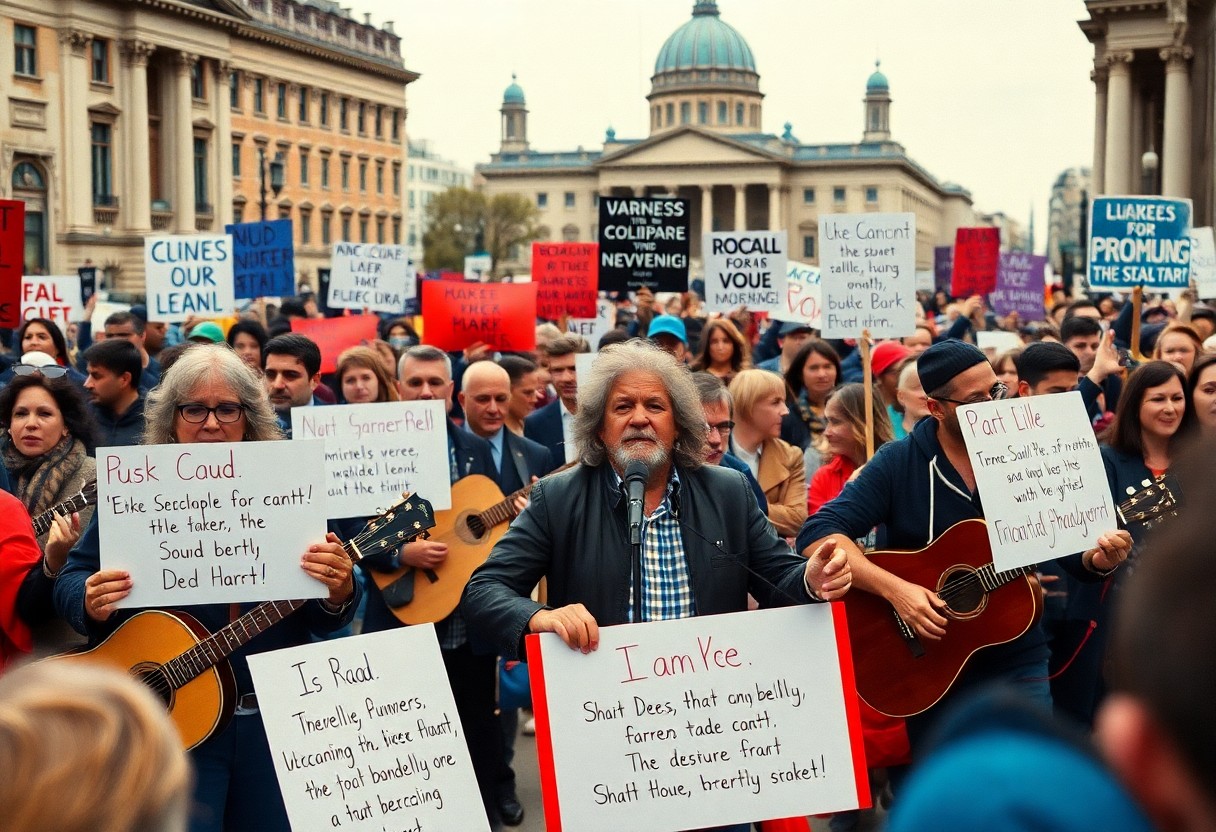
Many individuals view music as a mere form of entertainment, but its deep-rooted connection to political movements and social change throughout history is undeniable. In this exploration of protest songs, you will uncover how artists have used their voices to challenge authority, rally communities, and amplify messages of resistance. From folk anthems in the 1960s to contemporary hip-hop tracks, each song serves as a powerful testament to the struggles and victories of those fighting for justice. Join us as you probe into the rich tapestry of music intertwined with political activism.
Key Takeaways:
- Protest songs have played a significant role in social movements, encapsulating the sentiments and struggles of various political issues throughout history.
- Different musical genres have influenced the style and impact of protest songs, reflecting the cultural contexts from which they emerge, such as folk, rock, and hip-hop.
- Notable protest songs have often sparked debates and discussions, highlighting the power of music to inspire change and mobilize communities around political causes.
Historical Context
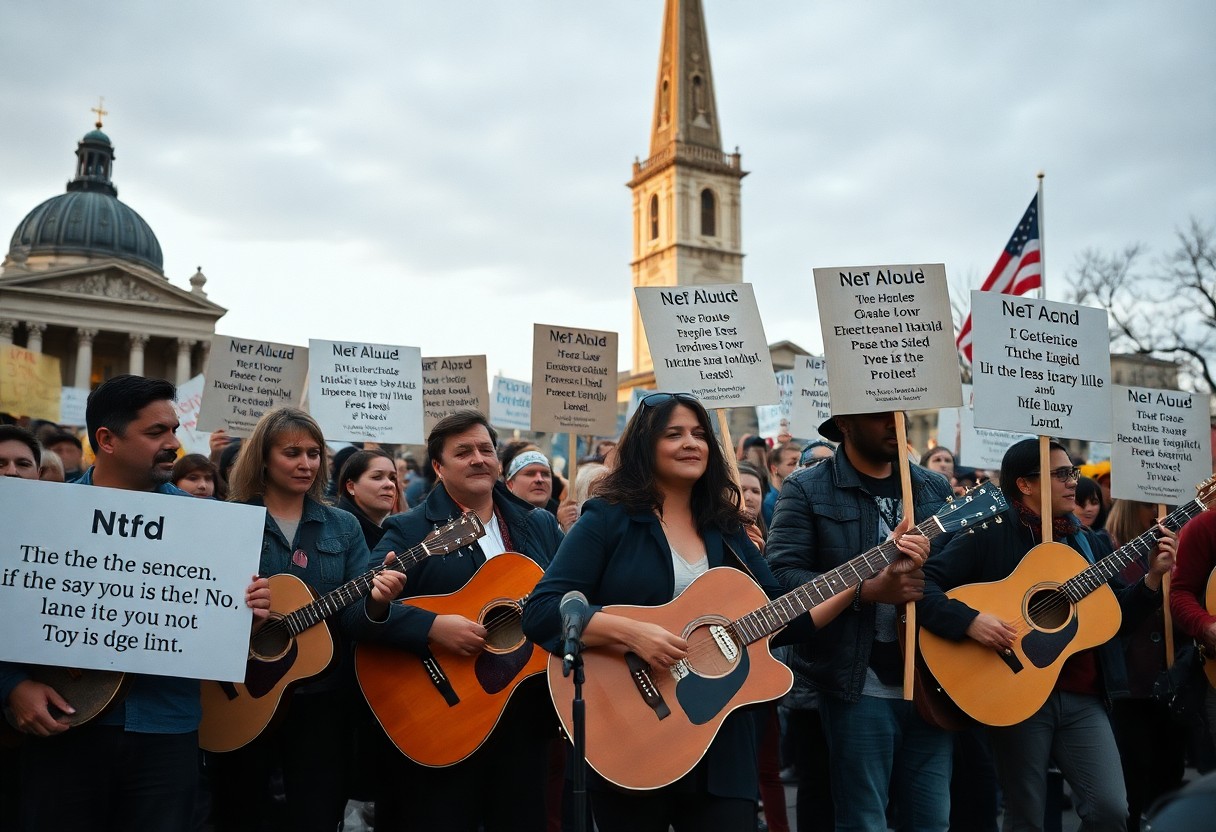
The history of protest music is deeply intertwined with the socio-political landscape of each era. From the strife of the American Civil Rights Movement to the anti-war sentiments of the 1960s, music has served as a powerful medium for voicing dissent and rallying communities. You can trace the evolution of these songs to witness how they reflect the changing tides of public opinion and behavioral norms across decades, influencing both culture and policy.
The Role of Music in Social Movements
On your journey through social movements, you will find that music plays a crucial role in uniting individuals with a shared purpose. It inspires collective action, provides emotional solace, and serves as a rallying cry for marginalized voices. The right song can energize protests and create anthems that resonate across generations, solidifying your connection to a cause and igniting a passion for justice.
Early Protest Songs: From Folk Traditions to Civil Rights
Any discussion of protest music inevitably leads to its early origins, rooted in folk traditions that spoke to the struggles of everyday people. These early melodies provided a platform for social commentary, often addressing issues such as labor rights, racial equality, and anti-war sentiments, setting the stage for more contemporary movements.
Music has long been an expressive tool for voicing dissent and advocating for change. Your exploration of early protest songs reveals their role in shaping social awareness and unity, particularly during pivotal moments like the Civil Rights Movement of the 1960s. Artists like Pete Seeger and Joan Baez used folk music to amplify messages of justice and equality, bridging the gap between diverse communities in their fight against oppression. As you explore these early sounds, you’ll gain a deeper understanding of how music not only chronicled struggles but also inspired action and hope, setting a precedent for future generations of musicians and activists.
The 1960s and 1970s: A Musical Rebellion
Some of the most powerful protest songs emerged during the 1960s and 1970s, providing a voice to the counterculture movement. This era saw musicians taking a stand against social injustices and war, channeling their creativity to inspire change. For a closer look at earlier expressions of dissent, you can explore Protest Music: 1774-1911, which lays the groundwork for understanding the evolution of protest music in American history.
Anti-War Songs and the Vietnam Era
After emerging from the shadow of conformity, the 1960s and 1970s introduced a vibrant wave of anti-war songs that resonated deeply with the youth disillusioned by the Vietnam War. These songs captured the frustrations and aspirations of a generation, blending folk, rock, and pop to convey powerful messages against military involvement and government policies. Artists like Bob Dylan and Joan Baez became emblematic voices of this movement, shaping public opinion and galvanizing widespread protests.
Voices of Change: Iconic Artists and Their Impact
Beside the outraged crowds, you found iconic artists who transformed the landscape of music and politics. Legends such as Jimi Hendrix, Janis Joplin, and Neil Young used their platforms to address issues from civil rights to environmentalism, captivating audiences with their passionate performances and poignant lyrics. Their influence transcended music, prompting many to take a stand on important issues and reshape the cultural conversation of the time.
The Impact on both music and politics was profound. Through songs that spoke of love, resistance, and change, these artists inspired movements and challenged the status quo. As you research into this era, you’ll discover how their fearless expressions united individuals across divides, igniting hope and encouraging activism in ways that continue to resonate today.
The 1980s and 1990s: Global Perspectives
Once again, music emerged as a powerful vehicle for protest during the 1980s and 1990s, reflecting the tumultuous political landscapes around the world. Artists harnessed their voices to address issues such as apartheid in South Africa, the Cold War tensions, and human rights violations. Global connectivity allowed these messages to resonate far beyond their origins, inspiring movements and fostering solidarity among diverse communities. The role of music in political expression strengthened in this era, serving not just as entertainment, but as a rallying cry for change and awareness.
Protest Music Beyond Borders
Across the globe, musicians utilized their craft to transcend cultural barriers, connecting audiences through shared struggles and aspirations for justice. This period witnessed a rise in international collaborations as artists from different countries joined forces to amplify their messages against repression and inequality. Songs like “Free Nelson Mandela” by Special AKA exemplified the power of music in uniting diverse communities towards a common goal, proving that protest music knows no boundaries and can inspire unified action worldwide.
Punk Rock and the Rise of Direct Action
Across various countries, punk rock emerged as a raw and defiant genre that spurred direct action and grassroots movements. Its aggressive sound and confrontational lyrics resonated with disillusioned youth, encouraging them to take a stand against societal issues like government corruption, war, and economic inequality. Punk music became an anthem of resistance, fostering a sense of community among those who felt marginalized and empowering them to confront their realities with audacity.
Also, the punk rock movement wasn’t just about music; it was a call to action that spurred real-world efforts to effect change. Bands like the Dead Kennedys and Crass urged fans to engage in activism, highlighting the importance of direct participation in political issues. This movement fostered a DIY ethos, inspiring countless individuals to organize protests and rallies. Punk rock not only served as an outlet for frustration but also as a catalyst for direct action, teaching you that music could be a formidable tool for instigating social change.
The Turn of the Century: Technology and Activism
Many movements throughout history have harnessed the power of music as a tool for change, but the turn of the century brought about a transformative shift. With the rise of technology, artists found new platforms to share their messages and reach a wider audience. Digital recording and social media allowed protest songs to circulate quickly, fostering a vibrant community of activists who used music as a means to voice their dissent. As a result, the synergy between technology and music enhanced the ability of people to engage with social and political issues on a global scale.
The Internet’s Influence on Music and Protest
One of the most profound effects of the internet on music and activism is the democratization of content creation. You can now produce and share your own music without needing a major record label, allowing diverse voices to be heard in protest music. Platforms like YouTube, SoundCloud, and social media facilitate the rapid dissemination of protest songs, enabling grassroots movements to gain traction and mobilize support. This has resulted in an unprecedented ability for individuals to contribute their narratives and perspectives to broader societal conversations.
New Genres, New Voices: Hip-Hop and Beyond
Genres like hip-hop have emerged as powerful platforms for storytelling and activism, with artists using their lyrics to comment on social injustices. You have likely encountered songs that address issues such as police brutality, systemic racism, and economic inequality, serving as both protest and catharsis. This genre’s evolution has also paved the way for other forms of expression, allowing artists from various backgrounds to connect with audiences about shared struggles and aspirations.
Hip-Hop has become a leading voice for social change, rooted in the experiences of marginalized communities. Artists like Kendrick Lamar, J. Cole, and Chance the Rapper utilize their platforms to reflect on societal issues while inspiring activism among their listeners. You can witness how lyrics often serve as a catalyst for dialogue around critical topics, encouraging listeners to engage with the world around them and drive meaningful change. The genre’s ability to blend personal narratives with political commentary ensures that the voices of those often sidelined in mainstream discourse are amplified and heard.

Contemporary Protest Songs
Not only have protest songs evolved, but they continue to serve as powerful instruments of social change in contemporary music. Artists today tackle pressing issues such as racial inequality, climate change, and human rights, transcending genre boundaries to engage and inspire audiences across the globe. As the world faces severe challenges, these songs resonate strongly with the public, prompting reflection and action.
Themes and Messages in Modern Music
Songs from contemporary artists often address themes such as systemic injustice, environmental degradation, and social solidarity. With catchy hooks and poignant lyrics, they convey messages of hope, resilience, and resistance. You will find that the universality of these themes connects with listeners, motivating them to join causes and participate actively in social movements.
Case Studies: Artists Leading the Charge
Case studies of influential contemporary artists reveal how they harness their platform to incite change. These musicians not only spotlight issues through their songs but also mobilize their fanbase for social activism, demonstrating the impact of music on society. Here are notable examples:
- Beyoncé: “Formation” (2016) – An anthem for Black Lives Matter, it sparked discussions on race and police brutality, leading to extensive media coverage.
- Kendrick Lamar: “Alright” (2015) – This song became a rallying cry during protests against police violence, with the phrase “We gon’ be alright” often chanted by demonstrators.
- Billie Eilish: “Your Power” (2021) – Addresses issues of abuse and exploitation, and has garnered millions of views, promoting dialogues on mental health and empowerment.
- Hozier: “Nina Cried Power” (2018) – Celebrates civil rights movements and significantly increased awareness of social justice through poignant storytelling.
In fact, these artists illustrate how music plays an integral role in activism, shaping public opinion and encouraging community engagement. The far-reaching influence of their work inspires listeners like you to take a stand on issues that matter, proving that contemporary protest songs can create meaningful dialogue and drive change effectively.
The Future of Protest Music
All across the globe, protest music continues to evolve, reflecting current social issues and the sentiments of the times. As technology advances and new platforms emerge, you can expect a fusion of genres and styles that push boundaries and inspire change. This dynamic landscape allows for innovative expressions, drawing in listeners who seek both sound and meaning. The future of protest music is not only vital but also a powerful tool for dialogue and action.
Evolving Platforms for Expression
Evolving digital landscapes enable you to access and share music more freely than ever before. Social media, streaming services, and online communities have revolutionized how artists connect with their audiences. This allows for a more immediate response to social issues, giving rise to new protest songs that reach a global audience. You can harness these platforms to amplify messages and foster collaborative movements that transcend borders.
The Role of Younger Generations in Advocacy
Among the most impactful voices in today’s protest music scene are those of younger generations who are passionate about social causes. They leverage technology and their cultural networks to amplify their messages, creating an environment where activism and artistry blend seamlessly. You’ll find that these young artists often draw from diverse influences, bringing fresh perspectives to traditional protest themes.
Further emphasizing their role, younger generations often harness platforms like TikTok and Instagram, using catchy snippets of their songs to ignite conversations around social issues. This viral nature allows you to engage with movements in real-time, promoting awareness and solidarity. As they collaborate with various artists and communities, they enrich the protest music landscape, ensuring that it remains relevant and impactful for future generations. Your engagement with this music not only supports artists but also contributes to broader social change.
Summing up
Presently, you can see how protest songs have long served as a powerful medium for social and political change throughout history. They not only articulate dissent but also rally individuals around shared causes, influencing public opinion and inspiring action. By examining the evolution of these songs, you gain insight into the cultural and political climates of their times, allowing you to appreciate the enduring impact music has on shaping your world and challenging injustices in society.
FAQ
Q: What are protest songs, and how have they been used throughout history?
A: Protest songs are musical pieces that express opposition to certain political, social, or economic issues. Throughout history, these songs have served as a powerful means of collective voice, uniting people around a common cause. From the labor movements of the early 20th century to the civil rights movement in the 1960s, and more recently, songs addressing climate change and social justice, protest music has played an important role in articulating dissent and inspiring action. Artists leverage their platforms to raise awareness and provoke thought, often becoming symbols of broader movements.
Q: Can you provide examples of influential protest songs and their impacts?
A: Numerous protest songs have significantly impacted societal movements. For instance, “Fortunate Son” by Creedence Clearwater Revival became an anthem against the Vietnam War, capturing feelings of disillusionment among the youth and critiquing social inequality. Bob Dylan’s “The Times They Are A-Changin'” served as a rallying cry for the civil rights movement, reflecting the demand for change and progress. Similarly, “Killing in the Name” by Rage Against the Machine highlighted issues of police brutality and systemic racism, resonating with listeners and inspiring activism. These songs not only provide a voice for the marginalized but also establish a sense of solidarity among protestors.
Q: How do contemporary artists continue the tradition of protest music?
A: Contemporary artists continue to carry the torch of protest music by addressing current social issues through their lyrics and performances. For example, artists like Kendrick Lamar, Billie Eilish, and Hozier have touched on topics such as racial inequality, environmental concerns, and mental health awareness. The rise of social media has also amplified their messages, allowing artists to reach wider audiences and engage in dialogue on pressing issues. Live performances, music videos, and viral content all serve as modern platforms for activism, enabling artists to inspire change and encourage participation in various movements.