There’s a profound connection between resonance, timbre, and your vocal performance in singing lessons that can shape your singing abilities. Understanding how these elements influence your voice can lead to significant improvements. Proper resonance enhances your vocal projection and richness, while timbre adds unique characteristics to your sound. As you learn to harness these qualities, links to resources like Vocal Resonance: How Different Spaces Impact Your Singing can provide additional insights, helping you to unlock your full potential as a singer.
Understanding Resonance
To understand the role of resonance in vocal performance, you must recognize how it directly affects your voice’s quality and projection. Resonance modifies the sound waves produced by your vocal cords, enhancing certain frequencies and helping you achieve a fuller sound. This phenomenon can significantly change the way you blend various vocal techniques during your singing lessons.
Definition of Resonance
One crucial aspect of singing is the concept of resonance, which refers to the amplification and enrichment of sound through vocal cavities such as the throat, mouth, and nasal passages. It allows your voice to resonate more fully, leading to a more dynamic and engaging singing experience.
Types of Resonance in Singing
Any effective vocal performance entails understanding different types of resonance. Below are the primary categories that you should recognize:
| Type of Resonance | Description |
|---|---|
| Chest Resonance | A deep, rich quality that resonates in the chest. |
| Head Resonance | Light and airy sound that resonates in the head. |
| Mix Resonance | A combination of chest and head resonance. |
| Nasal Resonance | A bright tone that utilizes the nasal passages. |
| Pharyngeal Resonance | A unique sound produced in the throat area. |
Resonance impacts how your voice interacts with sound frequencies, enhancing clarity and fullness. Developing your understanding of these types of resonance will empower your vocal performance and enhance your ability in singing lessons.
- Understanding types of resonance.
- Utilizing chest resonance for depth.
- Exploring head resonance for lightness.
- Implementing mix resonance for versatility.
- Emphasizing nasal and pharyngeal resonance for brightness.
Any mastery of resonance will not only refine your skills but also elevate your performance, enabling you to sing with confidence and joy.
The Role of Timbre
Now, understanding the role of timbre in your vocal performance is vital for enhancing your singing lessons. Timbre, often described as the unique “color” or quality of your voice, adds richness and depth to your sound. It helps convey emotions and allows your performance to stand out by providing an individual character that resonates with listeners.
Defining Timbre in Vocal Performance
Before delving deeper, it’s necessary to define timbre. In vocal performance, timbre refers to the distinct quality that differentiates one voice from another. It encompasses various elements such as vocal texture, resonance, and even the singer’s emotional expression, contributing to the overall sound you produce.
Timbre’s Influence on Vocal Style
Defining your vocal style is significantly influenced by timbre. Each style of music, whether it be classical, pop, or jazz, requires a specific timbre to enhance its overall aesthetic. Your unique timbre allows you to adapt and express yourself while still staying true to the genre, ultimately enriching your performances.
Plus, the quality of your voice plays a significant role in your unique style. For example, a bright timbre can highlight agility in pop music, while a darker timbre may suit more emotive ballads. Understanding how to manipulate your timbre will empower you to explore various genres, embrace dynamic contrasts, and effectively communicate emotions through your singing. This adaptability not only enhances your performance but also allows you to connect more profoundly with your audience.
The Connection Between Resonance and Timbre
Even though resonance and timbre are distinct elements of your vocal performance, they are deeply interconnected. Resonance refers to how sound waves amplify within the vocal tract, while timbre is the unique quality of your voice that differentiates it from others. By understanding how these two concepts interact, you can enhance your overall vocal delivery, allowing you to express emotions and connect better with your audience during your singing lessons.
How They Work Together
After you develop a solid grasp of resonance and timbre, you’ll notice that they influence each other in significant ways. As you improve your resonance through proper techniques, you’ll find that your timbre becomes richer and more vibrant. Your ability to control these aspects will empower you to create a more dynamic vocal sound, making your performances more engaging and expressive.
Impact on Vocal Quality
After honing your understanding of resonance and timbre, the quality of your singing voice can improve substantially. A well-resonated voice can project more effectively, while a rich timbre adds depth and character. This combination not only makes your singing more enjoyable for listeners but also helps you maintain vocal health by reducing strain.
In fact, the synergy between resonance and timbre can lead to a remarkable increase in your vocal quality. By practicing techniques that enhance your resonance, you’ll benefit from a more powerful projection, which is vital for sustaining long notes and reaching higher pitches. Meanwhile, refining your timbre contributes to a full-bodied sound, enabling you to communicate emotion more effectively. Prioritizing both elements will allow you to develop a sound that is not only more captivating but also sustainable, preserving your vocal health for years to come.
Techniques for Enhancing Resonance
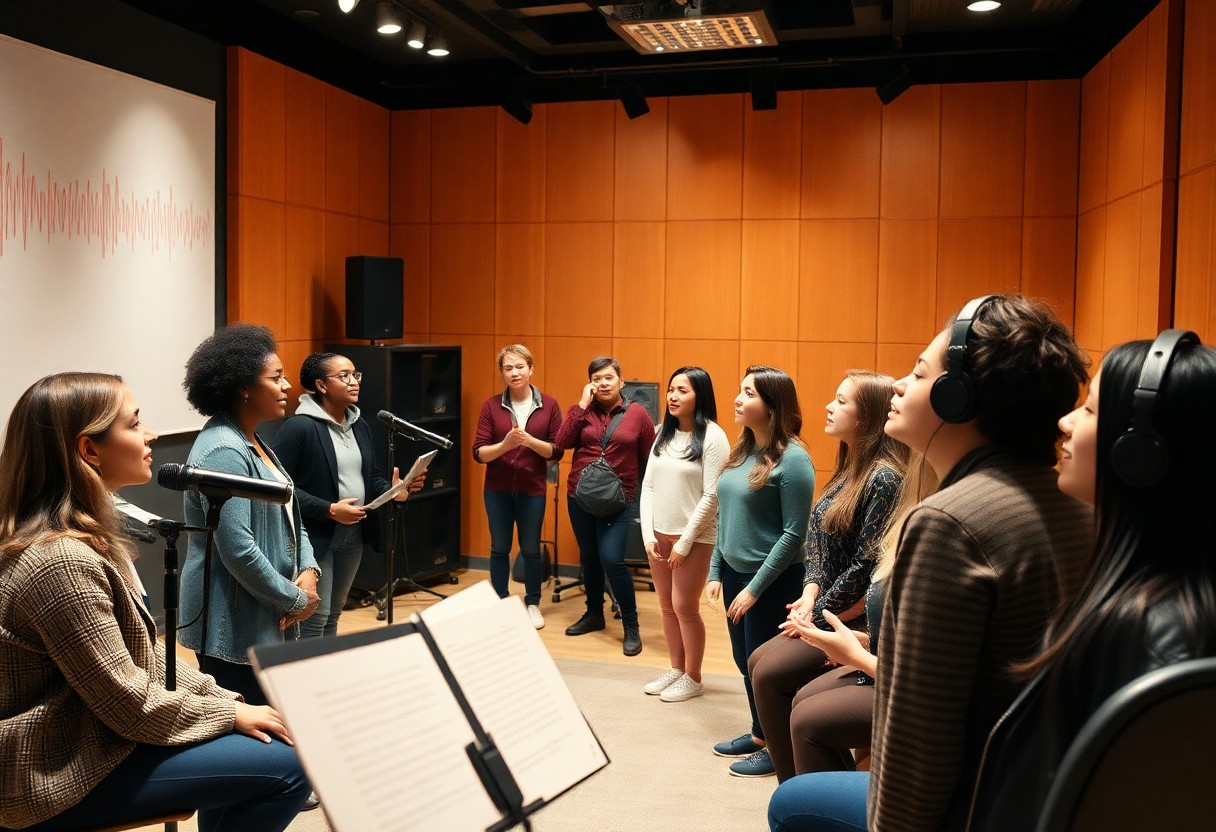
After understanding the importance of resonance in your singing, it’s time to explore effective techniques to enhance it. By incorporating specific practices into your vocal routine, you can significantly improve your resonance, allowing your voice to project beautifully and sustain notes with ease. Utilizing a combination of breathing exercises, vocal placements, and resonance-focused practices will help you unlock your full vocal potential.
Exercises to Strengthen Resonance
Resonance can be improved through exercises that focus on vocal placement and airflow. Try humming at different pitches, which encourages you to find the optimal placement for your voice. You can also practice the “ng” sound, which engages your nasal passages, enhancing your resonance. These exercises help you build a stronger foundation, allowing you to sustain higher notes with greater ease.
Vocal Warm-Ups Focused on Resonance
On your journey to improved resonance, incorporating specific vocal warm-ups into your routine is important. These warm-ups help prepare your vocal cords and your entire vocal system, ensuring that you can achieve the best sound possible. Warm-ups focused on resonance create a more vibrant tone and enhance your overall vocal performance.
With effective vocal warm-ups, such as lip trills and sirens, you facilitate a better connection between your breath and vocal folds. These exercises encourage your body to generate and utilize optimal airflow, enhancing vocal resonance. By focusing on higher pitches and fuller sounds, you’ll develop the ability to reach and sustain notes with strength and clarity. This preparation is important as it ultimately allows you to maintain vocal health while enjoying a richer sound.

Expanding Timbre in Your Singing
Keep in mind that expanding your timbre can greatly enhance your vocal performance. By experimenting with different vocal qualities, you can create a richer sound that resonates with your audience. Incorporating a variety of techniques and approaches will allow you to discover new dimensions in your singing voice, leading to a more expressive and engaging performance.
Strategies for Developing Timbre
One effective strategy for developing your timbre is to practice vocal exercises that target different registers and qualities. Engage in activities such as humming, lip trills, and sirens to explore the various sounds you can produce. Incorporating these exercises into your routine will help you gain control over your vocal production, ultimately enhancing your overall musicality.
Exploring Vocal Colors and Styles
For a compelling vocal performance, it’s vital to explore various colors and styles within your singing. Different genres require distinct vocal characteristics, so experimenting with these can significantly impact your versatility.
But don’t limit yourself to just one style; exploring an array of vocal colors can unlock new potential in your singing. Pay attention to how different genres, such as jazz, pop, or classical, utilize unique techniques. You can adapt your vocal approach by adjusting your vocal placement, breath support, and emotional expression. Make sure you practice consistently, as this will build your confidence and enhance your ability to convey nuance in your performances. By embracing the beauty of vocal variety, you will not only improve your timbre but also elevate your overall artistry as a singer.
Impact on Vocal Performance in Lessons
Your vocal performance in singing lessons significantly improves when you understand and apply resonance and timbre. By focusing on these elements, you can enhance your vocal tone, making it richer and more expressive. This not only helps you connect better with your audience but also builds your confidence. An awareness of how to manipulate resonance ensures that your voice projects clearly, while mastering timbre allows for emotional depth, leading to an overall more effective performance.
Importance of Resonance and Timbre in Learning
By developing a solid understanding of resonance and timbre in your vocal training, you lay the groundwork for achieving a more versatile and dynamic singing voice. These elements influence how your sound is perceived, enabling you to explore various musical styles and connect emotionally with your audience. Additionally, a strong command of these aspects will help you navigate the challenges of different vocal ranges and styles, equipping you to adapt to any performance setting.
Teacher’s Role in Developing These Aspects
About your vocal teacher’s guidance, they play a vital role in shaping your resonance and timbre skills. They offer personalized feedback and techniques to help you bolster these aspects, ensuring that you develop a cohesive and powerful sound. Implementing targeted exercises can lead to noticeable improvements in your vocal quality and performance.
Indeed, your teacher’s expertise in nurturing resonance and timbre is fundamental for your vocal growth. They can identify your individual strengths and weaknesses, providing tailored exercises that promote healthy vocal habits. Their feedback helps you safely navigate vocal challenges without straining your voice, ultimately fostering a more expressive and versatile sound. By incorporating their techniques into your practice, you will build a solid foundation that enhances your overall vocal presentation and artistry.
Summing up
On the whole, understanding how resonance and timbre impact your vocal performance can significantly enhance your singing lessons. By focusing on these elements, you can learn to control your vocal quality, improve your sound projection, and develop a unique vocal identity. Embracing these concepts allows you to express emotion more effectively, connect with your audience, and refine your overall technique. As you progress in your lessons, harnessing resonance and timbre will lead to a more dynamic and expressive singing experience.